A supplier lead time promise is a contractual statement of when finished goods will be ready for shipment. It sets the baseline for window delivery timelines and defines the scope of procurement terms. Understanding this commitment helps buyers manage inventory, budgeting, and project schedules.
- A supplier lead time promise is a specific commitment regarding when goods will ship, not just when production begins.
- The promise usually covers the entire chain from order receipt to factory gate delivery.
- Penalties and remedies for missed dates protect buyers but require clear contract language.
- Buffer time must be added to account for logistics and site access issues.
- Regular tracking against the promise prevents surprises during project milestones.
What Is a Supplier Lead Time Promise
A supplier lead time promise is a contractual statement that defines when finished goods will be ready for shipment. It is not merely a sales estimate or an internal target. It is a binding or quasi-binding commitment that appears in purchase orders, framework agreements, or service level documents. For buyers of commercial doors and windows, this promise acts as the primary scheduling mechanism. It tells the buyer when the first unit will leave the factory gate.
This commitment sits at the intersection of production planning and logistics. It assumes that raw materials are available and that the manufacturing process will run without interruption. When the promise holds, the supply chain remains predictable. When it fails, the buyer faces idle installation crews, site storage issues, or costly expediting fees.
The term covers everything from the moment a purchase order is accepted to the moment goods are loaded onto a transport vehicle. It does not typically include the final delivery to the construction site, although some contracts may extend the window to site delivery. This distinction matters because it determines who controls the last leg of the journey.
How the Promise Is Structured in Contracts
The structure of a lead time promise varies based on the type of product and the complexity of the order. Standard products, such as fixed glass panels or simple metal door frames, often have shorter and more predictable windows. Custom products, like large glazed curtain walls or high-security timber windows, require longer durations due to special glass production and complex engineering.
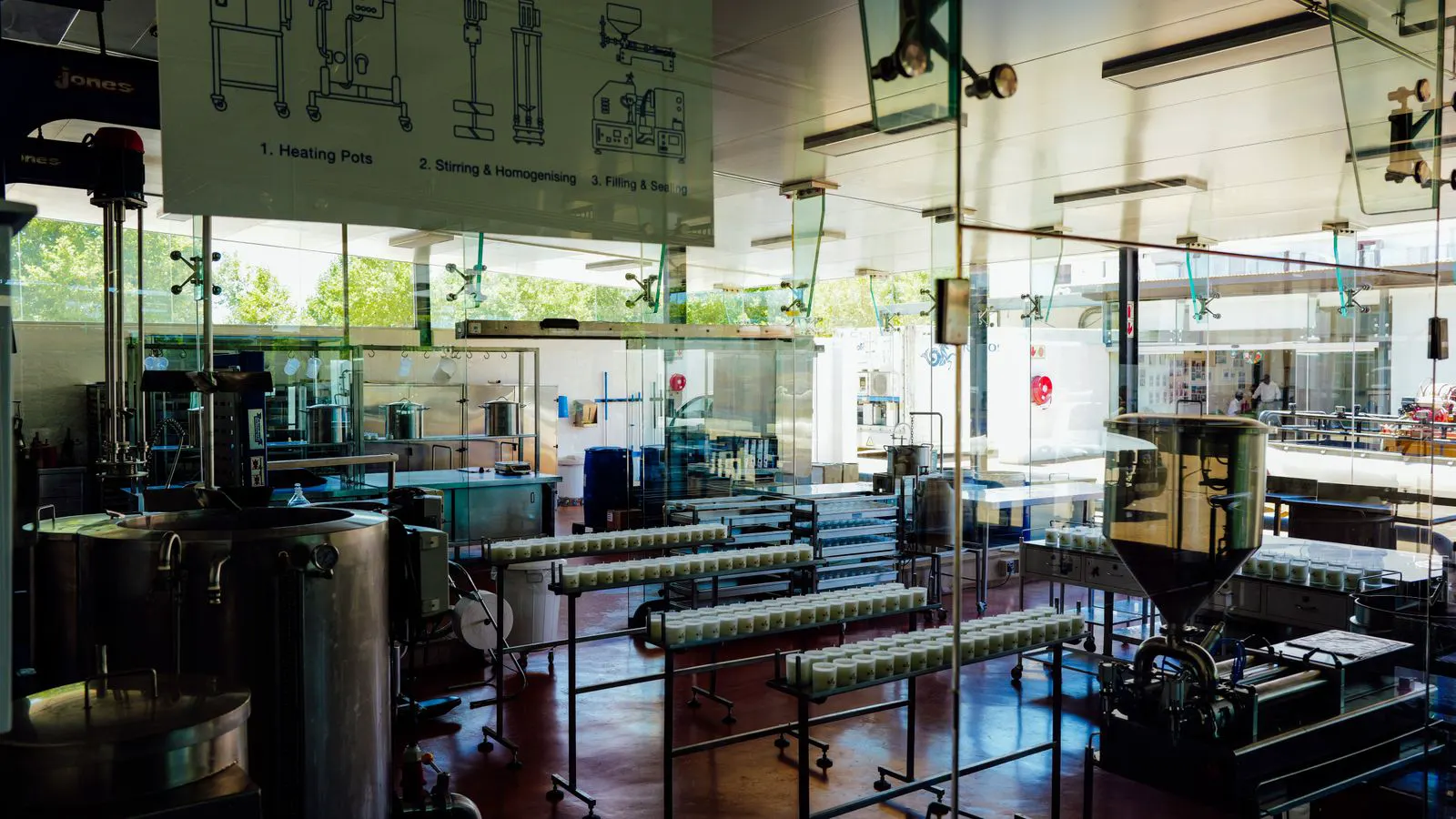
Most contracts split the promise into two phases. The first phase is the production lead time. This covers the time from the final design approval to the completion of the manufacturing process. The second phase is the dispatch lead time. This covers the time required to pack the goods, prepare shipping documents, and load them onto the transport.
A common structure looks like this:
- Order receipt and acknowledgment
- Design confirmation and shop drawing approval
- Material procurement and glass cutting
- Assembly, welding, and finishing
- Quality inspection and testing
- Packing and staging for shipment
Each phase contributes to the total number of calendar days. The promise usually states the total in days or weeks. For example, a buyer might agree to a six-week promise for standard aluminum windows. A complex project might see a twelve-week promise. The number of weeks is less important than the consistency of the supplier’s ability to meet that number repeatedly.
How This Affects Sourcing Decisions
When selecting a supplier, buyers must weigh the stated lead time against their project schedule. A supplier with a shorter promise may seem attractive, but they might lack the capacity to handle peak demand. A supplier with a longer promise might be more reliable because they have a larger buffer in their production slots.
The promise also influences how buyers manage inventory. If the promise is reliable, buyers can adopt a just-in-time approach, ordering goods shortly before they are needed on site. If the promise is volatile, buyers must hold stock at an intermediate warehouse. This requires capital and space, but it reduces the risk of project delays.
Sourcing decisions also depend on the penalty structure. Some contracts include liquidated damages for late delivery. Others offer credit notes or discounts. Buyers need to evaluate which remedy is most valuable to them. A credit note helps with cash flow but does not fix a delayed installation. A discount on future orders helps long-term relationships but does not solve an immediate schedule problem.
A Worked Example in Plain Words
Consider a commercial building project that requires 500 standard office windows. The project schedule calls for these windows to be installed in March. The contractor places the order in October.
The supplier provides a lead time promise of ten weeks for production and dispatch. This means the windows will be ready to leave the factory by the end of December. The contractor adds a two-week buffer for the journey to the site and another week for potential site access issues. This brings the total time to thirteen weeks.
If the supplier delivers on time, the windows arrive at the site in late January. The installation crews can begin work in early February, giving them a comfortable cushion before the March deadline.
Now consider a scenario where the supplier faces a supply issue with a specific type of low-emissivity glass. The production line slows down. The supplier notifies the contractor that the promise will slip by one week. The contractor now has less buffer. If the site access is also delayed, the installation might push into late February. This creates a tighter timeline and increases the risk of missing the final handover date.
This example shows that the lead time promise is not just a number. It is a variable that interacts with logistics, site conditions, and material availability.
Tracking and Monitoring the Commitment
A promise is only as good as the tracking behind it. Buyers should require regular status updates from the supplier. These updates should not be general statements about progress. They should reference specific milestones. For instance, “glass is cut” or “frames are welded” or “packaging is complete.”
The supplier should provide a production schedule that maps against the purchase order. This schedule should be shared with the buyer’s project manager. If a milestone is at risk, the supplier should flag it early. Early warning allows the buyer to make adjustments, such as changing the installation sequence or bringing in additional labor.
Tracking also involves checking the quality of the documentation. Shipping documents, test reports, and certificates of compliance should be ready before the goods leave the factory. If these documents are delayed, the goods may sit at a port or a terminal, extending the effective lead time even if the production promise was met.
Common Pitfalls and How to Avoid Them
Buyers often make mistakes that undermine the value of a lead time promise. One common error is assuming that the promise includes site delivery. If the contract only covers factory gate delivery, the buyer must manage the transport separately. This creates a gap in accountability. If the truck is late, the supplier has no obligation to compensate the buyer.
Another pitfall is ignoring the impact of change orders. If the buyer requests a change to the window design or a change in the quantity, the lead time promise usually resets. The clock starts again from the date of the change request. Buyers must communicate changes early to minimize the impact on the overall schedule.
A third issue is the lack of clear communication channels. If the buyer has no single point of contact at the supplier, information gets lost. Updates may be sent to the wrong person or missed entirely. A defined communication protocol, with specified frequencies and formats, helps keep the project on track.
| Contract Element | What It Defines | Risk if Unclear |
|---|---|---|
| Production Start Date | When work begins after approval | Delays in scheduling |
| Dispatch Date | When goods leave the factory | Logistics planning errors |
| Site Delivery Date | When goods arrive at the project | Installation delays |
| Change Order Rule | How the timeline adjusts after edits | Unplanned schedule slips |
| Notification Requirement | When and how delays are reported | Late reaction to issues |
Final Considerations for Buyers
The supplier lead time promise is the backbone of the supply chain for doors and windows. It dictates when money is spent, when space is needed, and when labor is deployed. Buyers should treat this commitment with the same seriousness as the price or the quality specifications.
When evaluating a supplier, look beyond the number on the page. Ask about their historical performance. How often do they meet their stated lead times? What happens when they miss? Are there patterns of delay? A supplier that is honest about its limitations may be a better partner than one that overpromises and underdelivers.
The goal is not to find the fastest supplier. The goal is to find a reliable supplier whose promise aligns with the project’s needs. A longer, consistent promise can be more valuable than a shorter, erratic one. By understanding how these commitments work, buyers can make informed decisions and reduce the risk of disruption in their projects.
Frequently asked questions
Does the supplier lead time promise include delivery to the construction site?
Usually not. Most promises cover production and dispatch to the factory gate. Site delivery is often a separate logistical arrangement that must be contracted individually.
What happens if the supplier misses the lead time promise?
The contract should define the remedy. This could be liquidated damages, a credit note, or a discount on future orders. The specific consequence depends on the terms agreed at the start of the relationship.
How does a change order affect the lead time promise?
A change order typically resets the clock. The new lead time is calculated from the date the change is approved, not the original order date. This is a common cause of schedule delays.
Can a supplier guarantee a fixed delivery date?
Generally, no. Suppliers provide a promise based on current capacity and material availability. External factors, such as raw material shortages or transport strikes, can disrupt even the most reliable schedules.
How often should I request status updates?
Frequency depends on the project size and the supplier's standard. For large projects, weekly or bi-weekly updates are common. These updates should include specific production milestones rather than general progress percentages.