
Glass & Glazing
Outlook for Low E Glass and Future Glazing System Standards
The glazing sector is shifting toward higher energy efficiency and stricter durability standards. Buyers should focus on coating stability, thermal bridging, and
Understand glass types, glazing configurations, and insulation performance for building envelopes.
The glazing sector is shifting toward higher energy efficiency and stricter durability standards. Buyers should focus on coating stability, thermal bridging, and

Custom double glazing costs and lead times vary by glass thickness, coating type, and unit size. A clear RFQ with precise dimensions and performance targets prevents
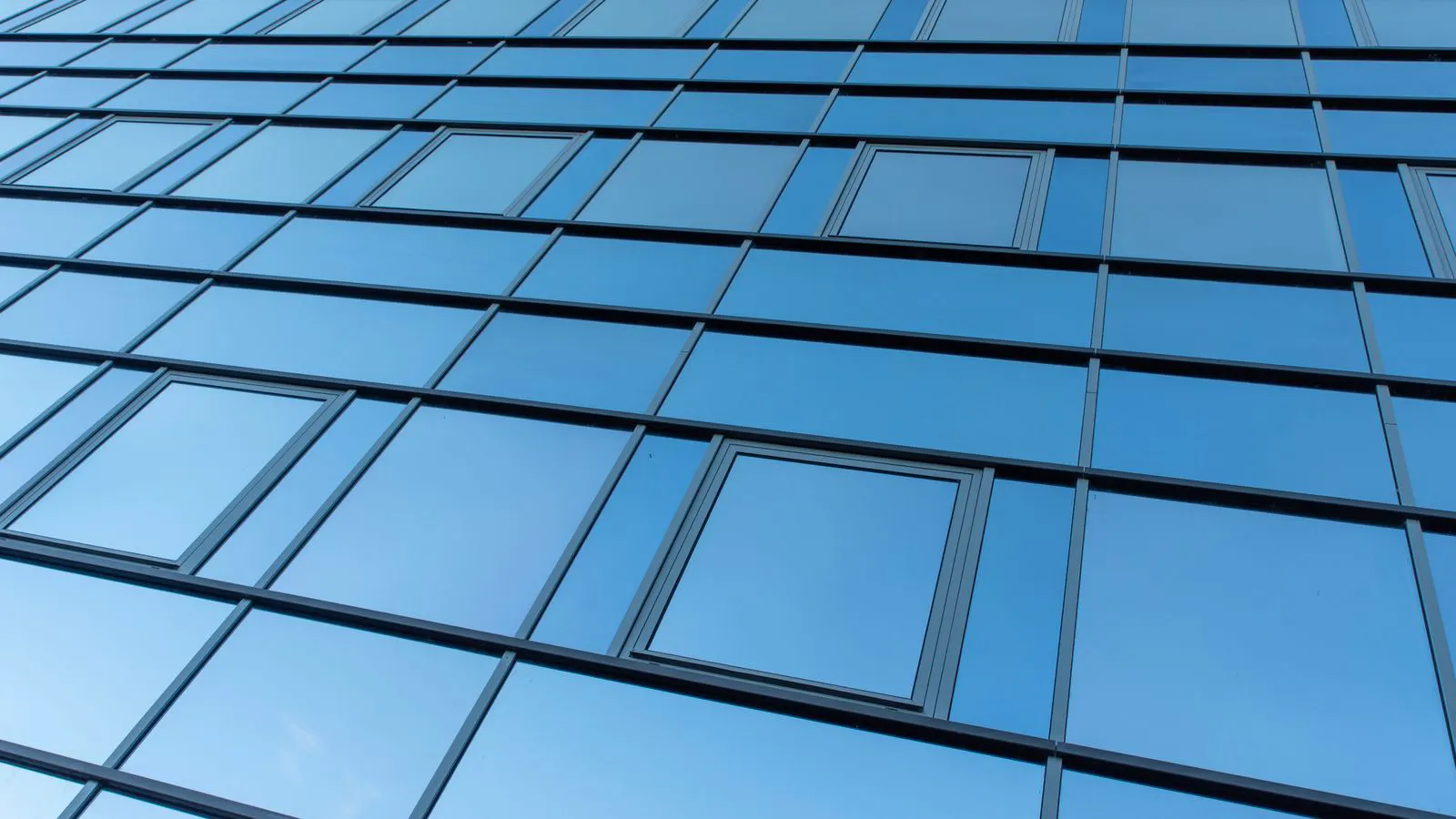
Low e glass uses reflective coatings to block infrared radiation. Selecting the right coating type depends on climate, orientation, and thermal targets. This guide
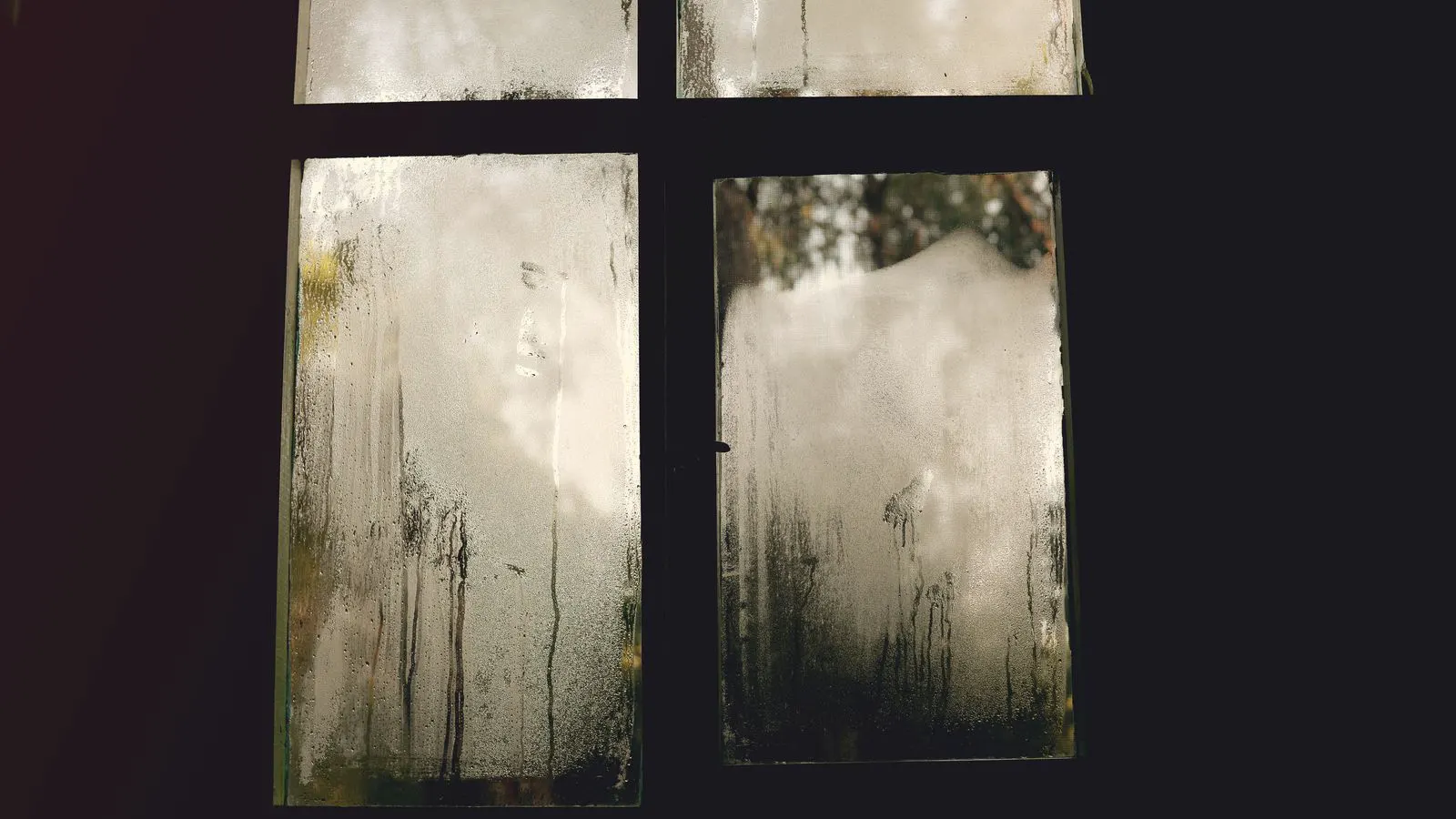
Trapped condensation inside an insulated glass unit indicates a compromised seal. Solutions include local repair, full unit replacement, or replacing the entire window

Double glazing provides the primary barrier against heat transfer. Low e coatings add a reflective layer to reduce radiative heat loss. The best result comes from
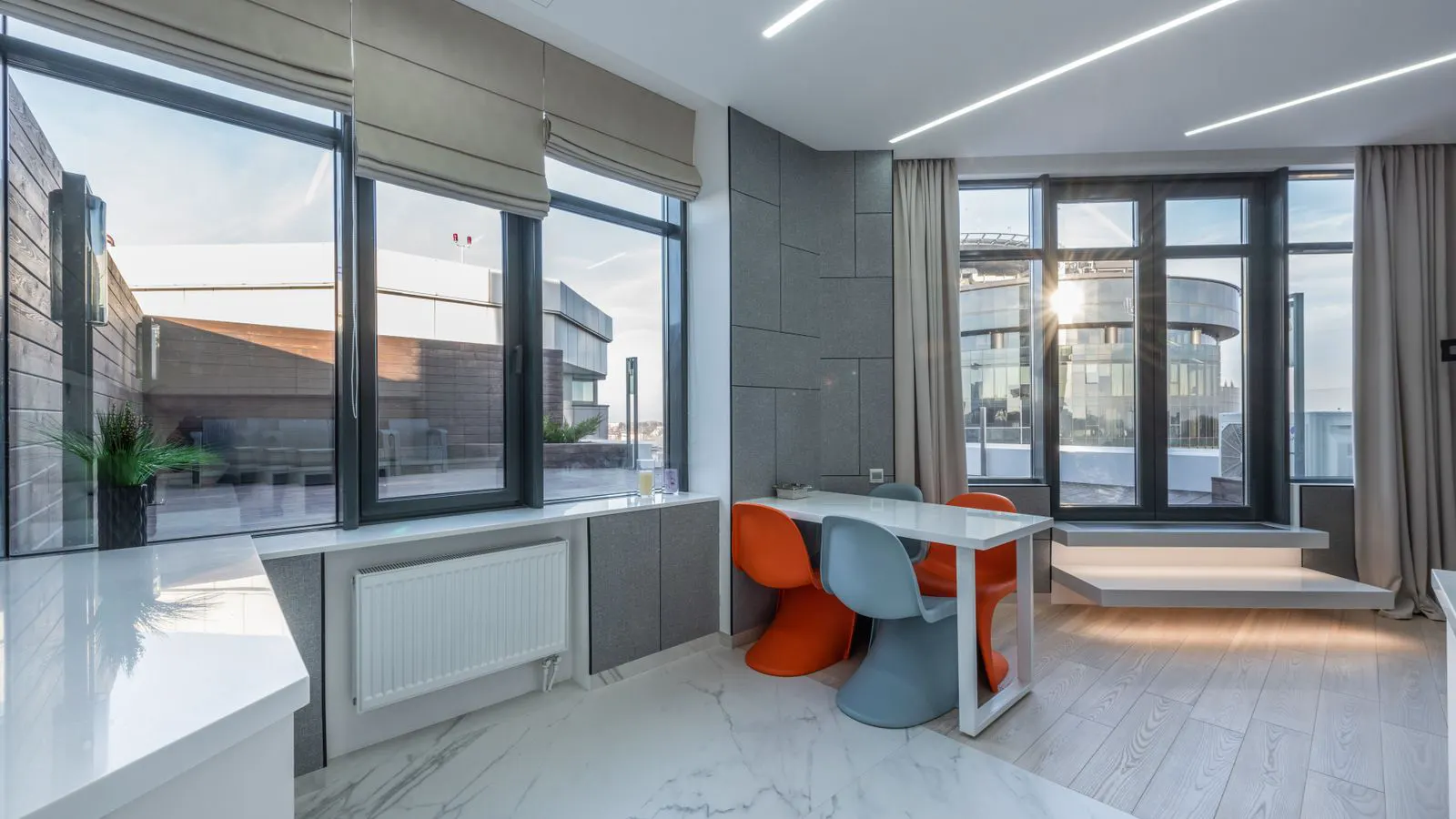
To calculate the U-value for a double glazed window system, determine the thermal resistance of each layer, including air gaps and glass panes. Combine these values
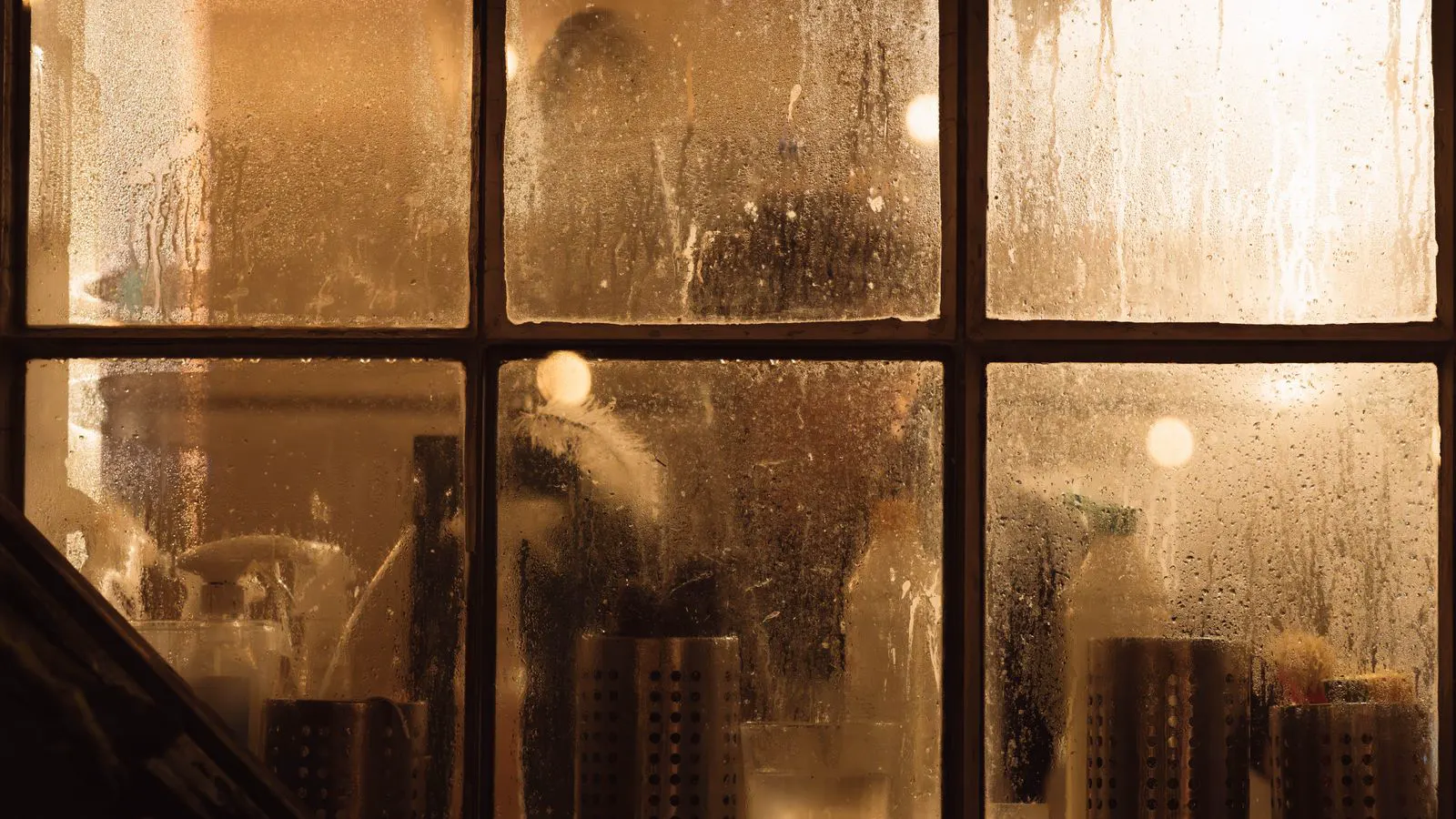
An insulated glass unit fails when the seal breaks, allowing air and moisture to enter. This causes fogging, reduced thermal performance, and condensation. Understanding