
Aluminum Windows
Aluminum Window Buyers Guide: Material Grades and Standards
Selecting aluminum windows requires understanding material grades, extrusion processes, and coating standards. This guide explains how procurement managers can evaluate
Practical specs, costs, and checks for professional door and window buyers.

Buyers and engineers select doors and windows by comparing thermal performance, frame materials, hardware durability, and installation requirements. This site breaks down those decisions into clear, actionable checks. You will find what to verify in a data sheet, how to read a spec, and where common quality issues appear in production and on site.
The content covers aluminum, uPVC, glass, hardware, seals, energy performance, and supplier selection. Each section explains the technical basis of a component and how it affects the final build. The goal is to give you a reliable reference before you request quotes, review tenders, or inspect a finished installation.
Start with the stage of the sourcing process you are in.
Explore design options, thermal performance, and material finishes for professional aluminum window installations.
Review profile systems, insulation ratings, and durability features for uPVC windows and exterior doors.
Understand glass types, glazing configurations, and insulation performance for building envelopes.
Select hinges, handles, and weather seals that improve security, usability, and air tightness.
Learn how energy efficiency metrics and building codes affect window and door selection for projects.
Compare installation methods, labor considerations, and budget planning for window and door projects.
Evaluate supplier reliability, product range, and service support when sourcing doors and windows.
Selecting aluminum windows requires understanding material grades, extrusion processes, and coating standards. This guide explains how procurement managers can evaluate

A structured door supplier evaluation checklist helps procurement managers verify technical capability, compliance records, and supply chain reliability. It provides
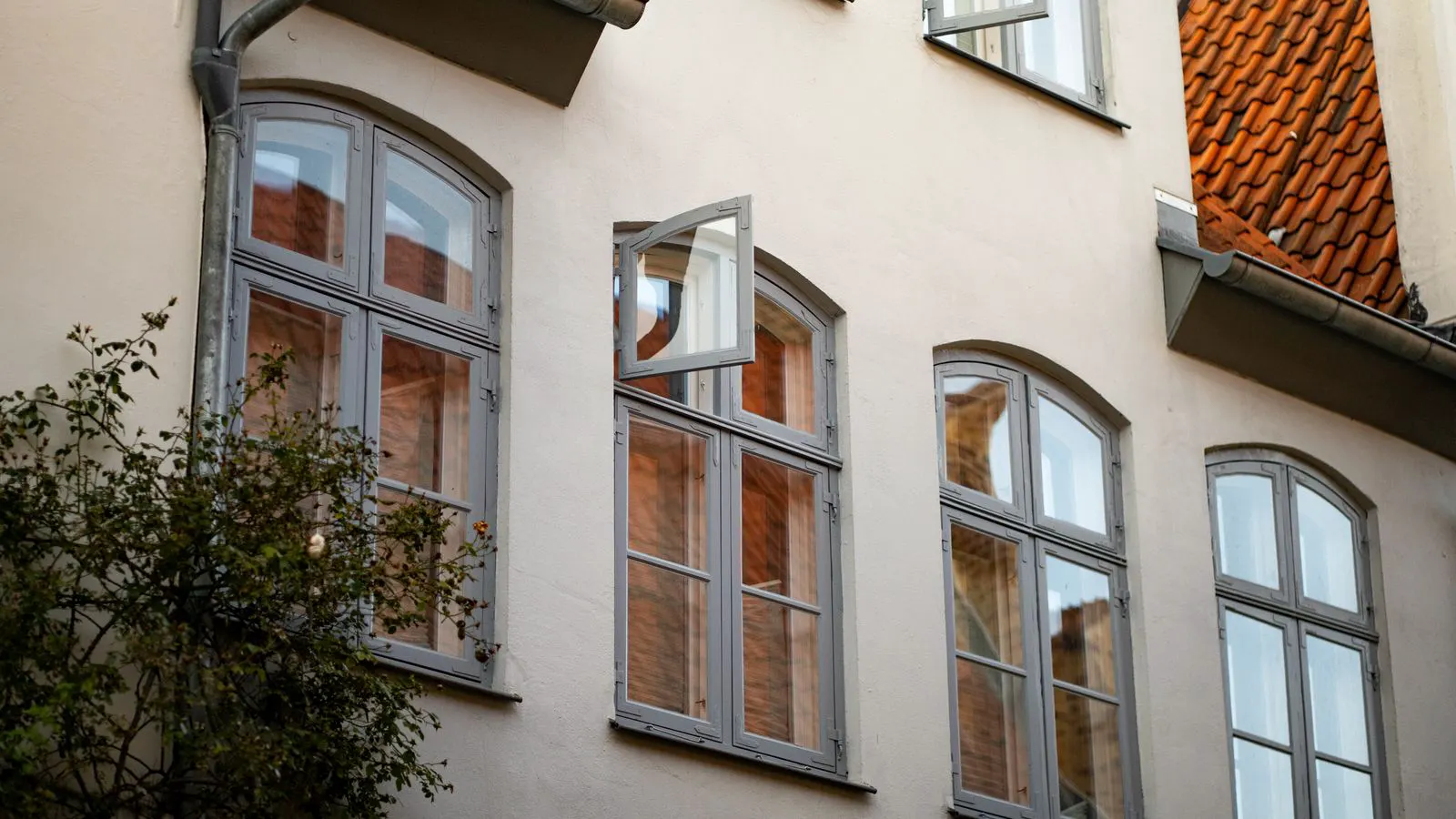
Squeaky hinges usually need cleaning and lubrication before replacement. Identify the cause, clean the pin, apply the correct grease, and tighten fasteners. Replace worn
To compare window performance, convert U-values to R-values using the simple formula R = 1/U. Lower U-values and higher R-values indicate better insulation. Engineers

To calculate window installation labor costs, multiply the number of units by the local labor rate and adjust for access difficulty, removal complexity, and weather

An insulated glass unit fails when the seal breaks, allowing air and moisture to enter. This causes fogging, reduced thermal performance, and condensation. Understanding
Review past project references, ask for sample data sheets, and check if they provide third-party test reports. Verify their production capacity and lead time for your project size. Request a sample frame or panel for a physical inspection before signing a contract.
Aluminum offers high strength, thin profiles, and better design flexibility. uPVC generally provides better thermal insulation out of the box and lower maintenance. Aluminum often requires thermal breaks to match uPVC performance in cold climates. The choice depends on your energy target, aesthetic needs, and budget.
Check the U-value for the glazing unit and the frame. Look for the certified energy label or test report from a recognized laboratory. Ensure the label matches the exact configuration you are ordering, including frame size, glass type, and glazing bar width.
For heavy or large panels, specify hinges rated for the door weight and size. Use quality handles and locks that match the frame profile. Check the manufacturer's load rating for the hardware and ensure the frame has sufficient reinforcement to support it.
Request a detailed breakdown that separates materials, labor, and any additional works like insulation or fixing. Ask about the warranty period and what is included in the installation. Ensure the contractor provides a written schedule and a clear process for dealing with defects after handover.
Ensure the glass thickness and type match the frame design and local climate. Check the edge seal and the gap between the glass and the frame. Verify that the glass is correctly labeled with the safety standard it complies with, especially for low-level or large panels.