The glazing sector is shifting toward higher energy efficiency and stricter durability standards. Buyers should focus on coating stability, thermal bridging, and long-term warranty terms. This guide outlines practical steps to prepare procurement strategies for these changes.
- Coating stability is the new priority over initial optical clarity.
- Buyers must verify long-term warranty terms for gas fills and seals.
- Thermal bridging calculations are becoming more critical than single-pane metrics.
- Standard updates are driving demand for consistent manufacturer documentation.
- Procurement teams should require detailed U-value and SHGC reports.
Why Low E Glass Is Changing
Low E glass technology has moved from a premium add-on to a baseline expectation in commercial and high-end residential projects. The core function remains the same. Reflect heat back into the space while allowing visible light through. The difference now lies in how manufacturers handle durability, coating chemistry, and integration into the overall window system.
Engineers and buyers are seeing a shift in how performance is measured. It is no longer enough to look at the coating type on a single pane. The system as a whole must perform under specific climate conditions. This change affects how specifications are written and how bids are evaluated. For example, a manufacturer might offer a lower U-value on a test sample, but if the frame creates a thermal bridge that offsets those gains, the final installed window will perform poorly. Specifications must now address the assembly, not just the glass.
The market is responding to tighter building codes and higher energy cost sensitivities. Manufacturers are adjusting their production lines to handle new coating chemistries. Buyers need to understand these shifts before they are locked into long-term supply agreements. When a new coating chemistry requires a different sputtering process or annealing temperature, the production timeline changes. This can delay entire projects if the supply chain is not aligned.
Five Key Shifts in Glazing Performance
The industry outlook points to several distinct changes. These are not just technical details. They affect cost, lead time, and long-term maintenance.
-
Coating Stability Over Optical Perfection. Earlier low E coatings sometimes produced a green or purple tint. Current coatings minimize this. The focus is now on how the coating holds up over years of UV exposure and temperature cycling. A coating that looks perfect on day one but degrades in five years is a poor choice. For instance, a soft metal oxide coating might offer excellent initial reflectivity but may suffer from oxidation if the seal fails. Harder, more stable coatings are gaining favor because they withstand harsher environmental conditions without visible discoloration.
-
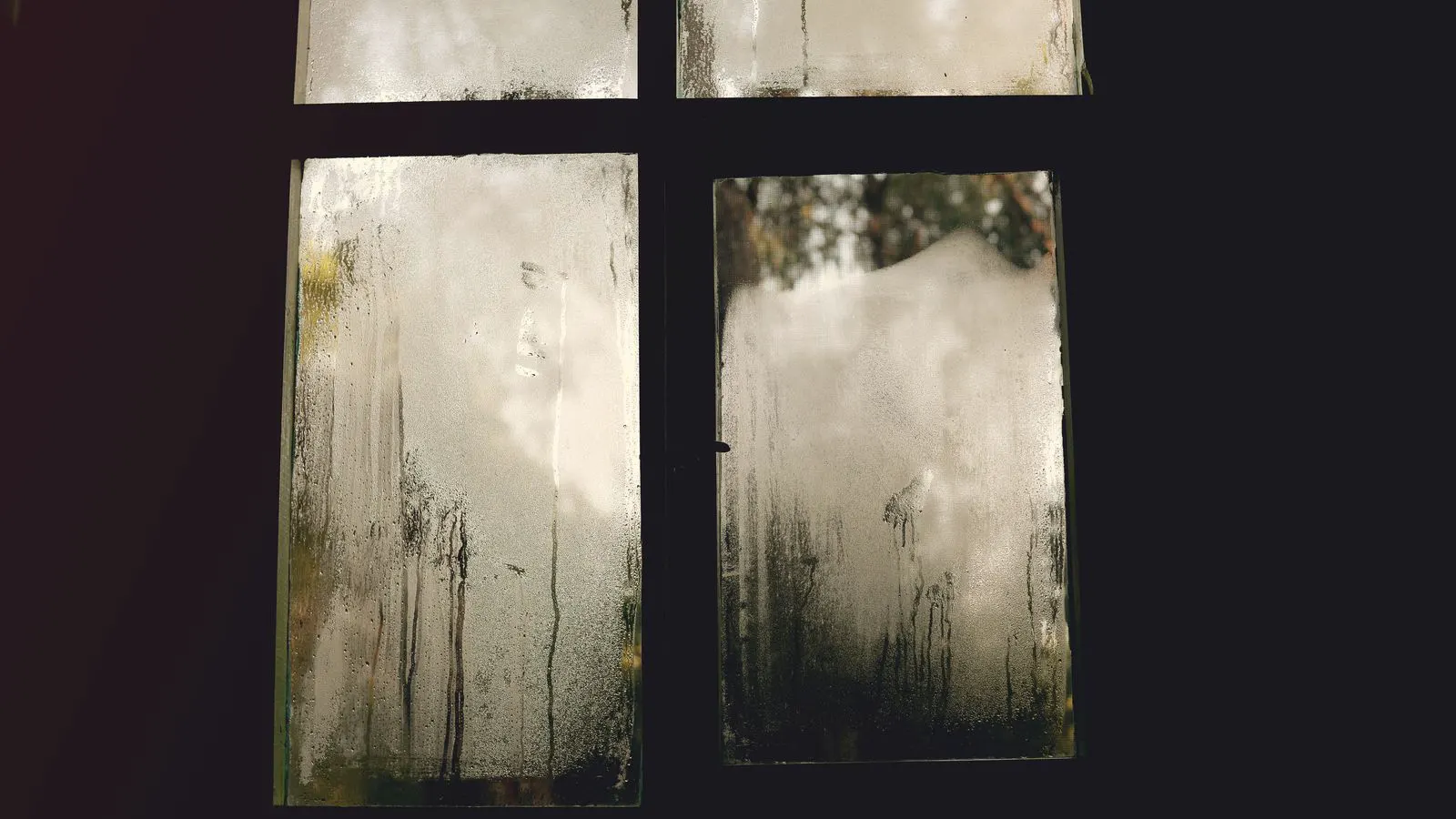
Gas Fill Integrity. Argon and krypton fills are standard for high-performance units. The outlook shows stricter testing for seal integrity. Buyers should expect more documentation regarding the longevity of the gas barrier. A failed seal compromises the insulating value of the entire unit. When the seal breaks, the gas escapes and moisture enters. This condensation can fog the interior glass and drastically increase heat transfer. New standards require more rigorous pressure decay tests before the unit leaves the factory.
-
Thermal Bridging Reduction. The glass performs well, but the frame and spacers can be weak points. The industry is moving toward spacers with lower thermal conductivity. This shift requires careful coordination between the glass supplier and the frame manufacturer. Aluminum spacers conduct heat efficiently, which can defeat the purpose of a high-performance coating. Insulating spacers made from composite materials or thermally broken aluminum are becoming the standard for high-value projects.
-
Standardized Reporting. Performance data is becoming more standardized. Expect more consistent U-value and SHGC reports across different manufacturers. This makes comparison easier but requires buyers to understand the underlying testing methods. A U-value of 0.45 means different things depending on the test chamber size and the frame geometry used. Standardized reporting allows for apples-to-apples comparisons, but buyers must verify that the test conditions match their actual installation scenario.
-
Recyclability and Material Sourcing. There is growing pressure to source materials with lower environmental impact. This affects coating materials and the glass composition itself. Manufacturers are exploring alternative precursor chemicals for coatings that are less toxic. This shift can impact the cost of the coating process and the availability of certain products.
Standard Updates and What They Mean
Building codes and glazing standards are evolving to match these technical changes. The updates focus on real-world performance rather than theoretical limits.
Thermal Performance Metrics
The U-value calculation is expanding to include more variables. It is no longer just about the glass layer. The frame, the seal, and the spacer are all factored in. Buyers need to ensure their specifications account for these components.
A table below summarizes the key metrics buyers should track:
| Metric | What It Measures | Buyer Action |
|---|---|---|
| U-Value | Heat transfer through the entire unit | Verify calculation includes frame and spacer |
| SHGC | Solar heat gain coefficient | Match to climate zone requirements |
| VTC | Visible light transmission | Ensure adequate daylighting |
| Seal Integrity | Gas retention and moisture barrier | Request long-term warranty terms |
| Thermal Bridge Factor | Heat loss through frames | Specify low-conductivity spacers |
Durability and Weathering
Standards are getting more specific about how coatings weather. This includes exposure to salt air, humidity, and extreme temperature swings. Buyers in coastal or high-humidity regions should pay close attention to these requirements.
A coating that meets the minimum standard for one climate may fail in another. Always check the specific environmental ratings for your project location. For example, a unit rated for temperate climates may suffer from coating degradation in a coastal area with high salt content. The salt particles can accelerate the breakdown of the metal oxide layers over time.
Impact on Procurement and Lead Times
The shift toward higher performance glazing affects supply chains. Custom low E glass systems require specialized coating lines. These lines are not always available at every glass fabricator.
Buyers should plan for longer lead times for high-specification units. The complexity of the coating stack increases production time. Rushing these orders often leads to quality issues or higher costs. A three-layer coating stack requires more processing time and more careful quality control than a single-layer stack. If a project has a tight deadline, it is often better to specify a standard configuration that is already in the manufacturer’s stock rather than risking a delayed custom order.
Managing Custom Orders
When ordering custom double glazed window systems, provide clear specifications. This includes the exact coating types, gas fills, and spacer materials. Vague requests lead to delays as manufacturers seek clarification. For instance, specifying “low E glass” without naming the coating type leaves the manufacturer free to choose the most economical option, which may not meet your performance targets. Always use the manufacturer’s specific coating designation, such as a silver or nickel oxide variant, to ensure consistency.
Maintain a relationship with a few trusted suppliers. They can advise on current production capabilities and potential standard updates. They can also help you anticipate changes in coating availability. A strong relationship with a supplier allows for faster response times when issues arise during the procurement phase.
How to Prepare Your Specifications
Writing a clear specification is the best way to prepare for these changes. Ambiguity leads to cost overruns and performance shortfalls.
- Define Climate Requirements. State the specific climate zone for the project. This determines the necessary SHGC and U-value targets. For a hot climate, a low SHGC is critical to prevent overheating. In a cold climate, a high SHGC may be desired to capture solar heat during winter.
- Specify Coating Types. List the exact low E coating types required. Avoid generic terms that allow for sub-standard substitutes. Use the manufacturer’s catalog numbers or specific chemical designations to remove ambiguity.
- Require Testing Data. Ask for third-party test reports for U-value and SHGC. Do not rely solely on manufacturer claims. Independent testing provides an objective measure of performance and helps verify that the manufacturer’s claims are accurate.
- Include Seal Warranty Terms. Specify the minimum warranty period for the seal and gas fill. This protects against early failure. A standard warranty might be 10 years, but some high-performance units come with 20-year warranties. Ensure the warranty covers both the seal and the gas retention.
- Coordinate with Frame Manufacturer. Ensure the frame and glass specifications are compatible. Thermal bridging is a system-wide issue. The frame material and the glass configuration must work together to achieve the target U-value. A high-performance glass unit in a poor-quality frame will not deliver the expected energy savings.
Common Mistakes in Glazing Selection
Even experienced buyers make mistakes when selecting low E glass systems. These errors are often due to incomplete information or pressure to cut costs.
Ignoring the Spacer
The spacer is a small component but has a significant impact on thermal performance. Cheap spacers can create thermal bridges that negate the benefits of the low E coating. Always specify the spacer material and thermal properties. If the spacer is made of standard aluminum, it will conduct heat directly from the outside to the inside of the unit. This bypasses the insulating properties of the gas fill and the low E coating.
Assuming All Coatings Are Equal
Different coatings perform differently under various conditions. A coating optimized for low U-value may have a higher solar heat gain. This is a trade-off that must be managed based on the project’s specific needs. For example, a coating designed for cold climates might allow too much heat gain in a hot climate, leading to excessive cooling costs. Always check the SHGC and U-value balance for the specific coating you are considering.
Overlooking Maintenance Access
High-performance units often have complex sealing systems. If the design makes it difficult to access or replace a failed unit, long-term maintenance costs will rise. Plan for easy replacement during the design phase. Consider the weight of the unit and the access methods required for installation and removal. A unit that is difficult to replace can lead to higher labor costs and potential damage to surrounding structures during maintenance.
The Role of Data in Decision Making
Data is the most powerful tool for buyers in this environment. The glazing industry is moving toward more transparent data sharing. This includes detailed performance reports and long-term field data.
Buyers should use this data to compare options. Look for suppliers who provide detailed documentation. This includes coating chemistry, manufacturing process details, and testing protocols. A supplier who provides this level of information demonstrates a commitment to quality and transparency. This documentation can also be useful for building code approval and energy modeling.
The more data you have, the better you can make informed decisions. This reduces the risk of selecting a product that fails to perform as expected. Use data to validate the manufacturer’s claims and to ensure that the product meets the specific requirements of your project.
Looking Ahead
The glazing industry is moving toward higher performance and greater durability. Low E glass is the foundation of this shift, but the system as a whole is what matters. Buyers who understand these trends will be better positioned to manage cost, quality, and long-term performance.
Stay informed about standard updates and manufacturer developments. Build relationships with suppliers who can provide detailed technical support. This proactive approach will ensure your glazing systems meet the highest standards of performance and durability.
The future of glazing is about precision and reliability. Low E glass is the key to achieving this. By understanding the shifts in the industry, you can make smarter choices for your projects.
Frequently asked questions
How do I know if a low e glass coating will last?
Check the manufacturer's warranty for the coating and seal. Look for third-party test data that demonstrates performance over time under specific environmental conditions.
Can I mix and match coatings from different manufacturers?
Generally, no. Coatings are designed to work with specific glass and seal systems. Mixing can lead to performance issues and void warranties.
What is the biggest factor in U-value performance?
The entire insulated glass unit, including the glass, gas fill, seal, and spacer. The low e coating is important, but the system as a whole determines the final U-value.
How do I handle custom lead times?
Order early and provide detailed specifications. Build a relationship with your supplier to anticipate production constraints and standard updates.
What should I do if I find condensation inside an insulated glass unit?
Contact the manufacturer or installer immediately. Check the seal warranty terms. In many cases, the unit needs to be replaced rather than repaired.