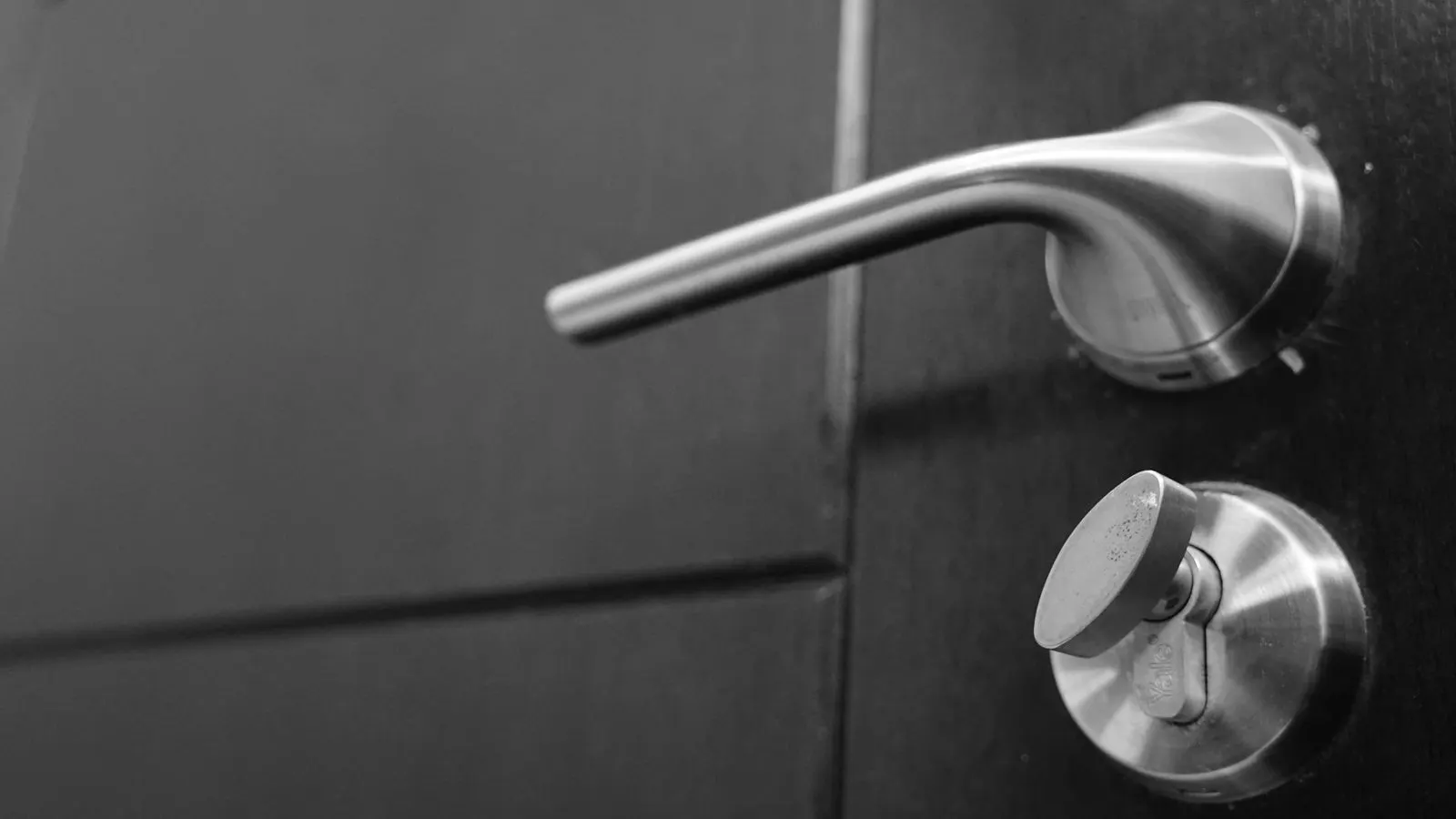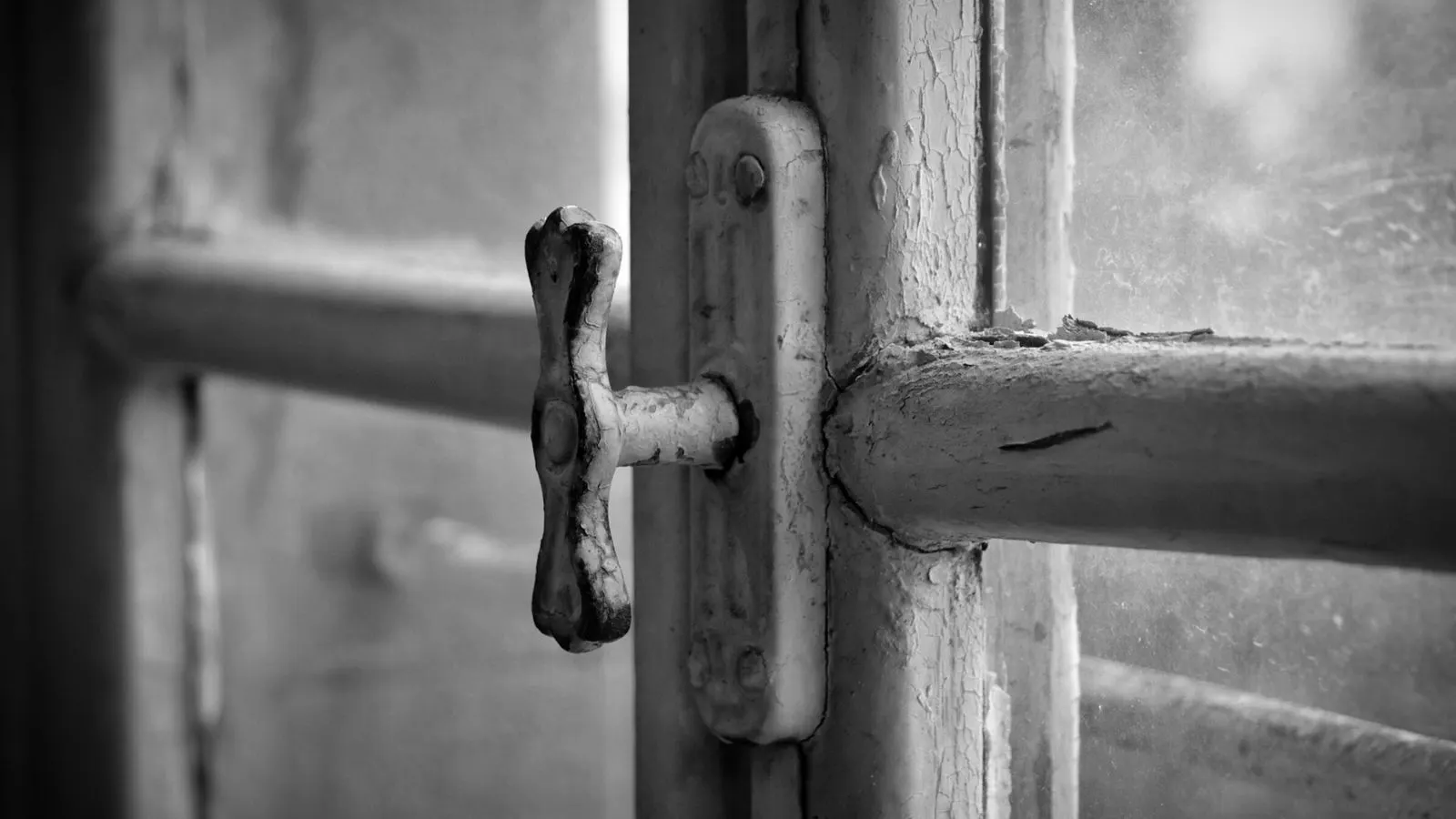
Choose commercial window hardware by matching material strength, security rating, and finish durability to the building's exposure and use. Evaluate hinge types, locking mechanisms, and seal compatibility to ensure long term performance and reduced maintenance.
- Match hardware material and finish to the building's exposure level to prevent corrosion.
- Verify that locking mechanisms meet the required security rating for the specific application.
- Check that hinge and seal interfaces align to avoid stress on the frame and sash.
- Review manufacturer maintenance intervals to plan for long term upkeep.
- Prioritize components that allow for field replacement without full window removal.
What defines commercial window hardware?
Commercial window hardware differs from residential units in load capacity, security function, and maintenance design. A hospital corridor window, a retail storefront, and a rooftop access point all demand different mechanical solutions. The hardware must handle repeated operation, high wind pressure, and strict access control.
When selecting components, focus on the physical forces acting on the sash. Hinges carry the weight. Latches and locks resist forced entry. Seals and weatherstripping manage air and water transfer. If one part fails, the system degrades quickly. A loose hinge can pull a seal out of alignment. A weak latch can let a security breach occur before the alarm activates. The structural integrity of the frame also matters. Hardware installed on a warped or poorly fabricated frame will fail even if the components are high quality. The frame must provide a stable bearing surface for all contact points.
The choice of material also sets the baseline. Stainless steel handles long-term wear. It is preferred where salt exposure or heavy use is expected. Anodized aluminum resists moisture but may show wear at contact points. It is lighter and easier to fabricate, making it common in larger glazing systems. Zinc-plated steel is cost effective but requires a protective environment. For high traffic areas, select components with hardened surfaces. The goal is to reduce friction and prevent deformation over time.
Consider the finish as well. A bare metal part will corrode in a coastal environment. A painted finish can chip if struck by a cart or a cleaning tool. Powder coating offers a thick, durable layer that resists chipping better than standard paint. Anodizing is a surface treatment that increases hardness and corrosion resistance on aluminum. The finish must match the exposure level. A window in an industrial zone may face chemical splashes. A window in a public building will face constant hand contact. The material and finish must withstand these specific conditions.
How do you evaluate security hardware?
Security hardware operates in layers. The first layer is the physical barrier. The second is the resistance to forced entry. The third is the integration with the building’s access control system.
Look for multi-point locking systems that engage the frame at multiple locations. Single-point locks are vulnerable to prying. Multi-point locks distribute force across the perimeter. They engage the sash at the top, middle, and bottom. This prevents an attacker from lifting the window off its track or prying it open at the latch point. For perimeter security, check the throw distance of the bolt. A longer throw provides better coverage. A throw of 15 to 25 mm is typical for commercial applications. The bolt must engage a solid strike plate. If the strike plate is on a thin frame flange, the force will shear the plate rather than the bolt.
For high-risk areas, consider hardware rated for forced entry resistance. These units use hardened steel pins and reinforced strike plates. The hardware must not rely on a single point of failure. If a window can be forced open, the hardware must resist that force. Look for locks with hardened cylinders. Standard cylinders can be picked or drilled. Hardened cylinders use tungsten or similar alloys that resist bitting and drilling. The cylinder should be removable for maintenance. If the cylinder fails, the mechanic should not have to dismantle the entire window.
Integration with electronic locks is common in modern commercial builds. Electronic cylinders allow for keyless entry and audit trails. They integrate with the building’s access control software. The mechanical part must still work if the electronic system fails. A deadbolt backup is a standard practice. Ensure the electronic lock has a mechanical override. If the power fails, staff must be able to open the door or window. Check the fail-safe or fail-secure rating. Fail-secure locks remain locked during a power outage. Fail-safe locks unlock during a power outage to allow emergency egress. The choice depends on the building’s safety requirements.
How do you select the right hinge type?
Hinges are the most stressed component of a window. They carry the sash weight and the force of opening. In commercial applications, continuous hinges are common for large glazing panels. They distribute load evenly. A standard butt hinge concentrates stress at the pin and the leaves. This causes wear at the contact points. Continuous hinges run the full length of the sash edge. They support wide panels and reduce the risk of the sash sagging.
For standard casement windows, heavy duty butt hinges are typical. Look for hinges with ball bearings. They reduce friction and allow for smoother operation. Ball bearings are sealed and lubricated. They require less maintenance than plain hinges. For windows that operate in high wind zones, wind resistance hinges are required. These units have a spring mechanism that helps hold the sash closed against gusts. The spring tension must be adjustable. If the spring is too strong, the window is hard to open. If it is too weak, the window may slam open in a gust.
Check the hinge size. Larger hinges support heavier sashes. A mismatch between hinge size and sash weight causes premature failure. The hinge pin must be removable for maintenance. This allows for lubrication or replacement without dismantling the window. Some hinges have a removable pin with a set screw. Others have a pin that slides out from the side. The design should allow for field service. If the hinge pin is welded in place, the entire hinge must be replaced when it fails.
For large sliding or pivot windows, continuous or pivot hinges are common. Pivot hinges use a single central axis. They require precise alignment. If the pivot point is out of alignment, the window will drag. Pivot hinges are suitable for large opening panels. They allow the window to swing open inwards or outwards. The pivot point must be robust. It carries the full weight of the sash. Misalignment is the most common cause of pivot window failure. Check the pivot block depth and the clearance around the sash.
What should you look for in a commercial spec?
A commercial spec is the technical document that defines the hardware requirements. It lists materials, finish types, security ratings, and maintenance intervals. It is the basis for procurement and installation. The spec must be written with enough detail to prevent ambiguity. Vague language leads to inconsistent products from different suppliers.
The spec should identify the exposure level. Coastal, industrial, and urban environments have different corrosion risks. The spec should match the material to the exposure. For example, stainless steel is preferred for coastal areas. Galvanized or powder-coated steel is suitable for indoor or protected outdoor areas. The spec should also define the finish. Specify the coating type and thickness if relevant. A powder coating of 60 to 80 microns is typical for outdoor applications. The spec should state the required finish color or code to ensure consistency across the building.
The spec should also define the security rating. It should state the level of forced entry resistance required. For high-security areas, the spec may require multi-point locks with hardened cylinders. It may also require electronic integration. State the lock type clearly. Specify the number of locking points. Specify the bolt throw length. Specify the cylinder type. If electronic access is required, specify the communication protocol and the integration point.
The spec should include maintenance requirements. It should state lubrication intervals and seal replacement schedules. This ensures the hardware remains functional over time. A clear spec reduces ambiguity and prevents costly replacements. The spec should also include spare parts lists. If a hinge pin or a seal fails, the facility should be able to order the replacement quickly. Specify the part numbers or the compatibility standards. This avoids delays during repair.
How do seals and hardware interact?
Seals and hardware are not independent. The hardware determines how the seal sits. A poorly aligned hinge pulls the sash out of square. The seal gaps. Air leaks in. Water infiltrates. The seal is the final barrier against weather. If the hardware fails, the seal fails. The seal cannot compensate for a misaligned sash.
Check the seal compression. The seal must compress evenly across the contact line. If the hardware is too heavy or too light, the seal will not close properly. A heavy sash may not close fully. A light sash may not compress the seal enough. The seal compression should be between 15 and 25 percent of the seal thickness. Too little compression allows air leakage. Too much compression causes the seal to extrude and lose its elasticity.
The seal material also matters. EPDM is durable and flexible. It is the standard for commercial windows. It resists ozone and UV degradation. PVC is cost effective but less durable. It can become brittle over time. Silicone is used in high-temperature applications. It remains flexible in extreme heat and cold. The hardware must not damage the seal during operation. Sharp edges or rough surfaces can cut the seal over time. Check the contact surfaces. They should be smooth and rounded. The hardware should not scrape against the seal when the window opens and closes.
A common mistake is replacing the seal without checking the hardware alignment. This leads to repeated failures. Always check the hinge alignment before replacing seals. Adjust the hinge pin or replace the hinge if needed. If the sash is not square, the new seal will fail just as quickly as the old one. The alignment must be corrected first. Use a diagonal measurement to check the squareness. The diagonals should be equal. If they are not, the sash is out of square.
What are the common failure points?
Corrosion is the most common failure point. Moisture and salt air attack metal surfaces. Rust weakens the structure. The hardware seizes. The latch fails to engage. Corrosion often starts at the hinge pin and the bolt strike. These areas are exposed to the elements. Check for rust on the contact surfaces. If rust is present, the hardware should be replaced. Rust is not a surface issue. It weakens the metal from the inside.
Friction is another failure point. Bearings wear down. The sash becomes heavy to operate. The user applies excessive force. This stresses the hinges and seals. Friction causes wear on the hinge pin and the bearing. The pin becomes rough. The bearing becomes pitted. This increases the force required to open the window. The user may force the window open, which damages the seal. Regular lubrication reduces friction. Use a high quality, waterproof lubricant. Do not use oil-based products that attract dust.
Misalignment is a frequent issue. The window does not close flush. The seal gaps. The latch does not engage. This is often caused by settling of the building or damage to the frame. The frame may warp over time. The sash may shift in its track. Misalignment causes uneven seal compression. The seal wears down on one side. The latch misses the strike plate. The window may appear locked but is not secure. Check the alignment regularly. Adjust the hinges or the tracks to restore the correct position.
Wear is a long-term issue. Contact points smooth out. The bolt does not catch. The latch slips. This requires regular inspection and maintenance. Wear is inevitable in moving parts. The goal is to manage it. Use hardened surfaces where possible. Avoid abrasive contact. Inspect the contact points annually. Look for smooth spots or polished areas. If the bolt face is smooth, it will not engage properly. The bolt must be replaced or the strike plate adjusted.
How do you decide on the final selection?
The decision process is systematic. First, identify the building’s exposure and use. Next, determine the security rating. Then, select the hinge type and material. Finally, verify the seal compatibility. The decision should be based on the physical requirements of the building. Do not select hardware based on appearance alone. Aesthetics matter, but function comes first. The hardware must work under load. It must resist the environment. It must support the building’s security needs.
Use the criteria table below to compare options.
| Criterion | What to look for | Why it matters |
|---|---|---|
| Material Strength | Stainless steel, anodized aluminum, or galvanized steel | Determines corrosion resistance and load capacity |
| Security Rating | Multi-point locks, hardened cylinders, electronic integration | Meets forced entry resistance and access control needs |
| Hinge Type | Continuous, pivot, or heavy duty butt hinges | Matches sash weight and operation type |
| Finish Durability | Powder coating, anodizing, or stainless finish | Protects against environmental degradation |
| Seal Compatibility | EPDM, PVC, or silicone seals matched to hardware alignment | Prevents air and water infiltration |
| Maintenance Access | Removable hinge pins, field-replaceable seals | Reduces downtime and repair costs |
Decision checklist
- Confirm the building’s exposure level and select material accordingly.
- Verify the security rating matches the site’s risk profile.
- Check that the hinge type supports the sash weight and operation.
- Ensure the finish is suitable for the environment.
- Validate that the seal material is compatible with the hardware.
- Review the maintenance schedule and plan for inspection intervals.
- Confirm that components allow for field replacement without full window removal.
Frequently asked questions
What is the best material for commercial window hardware?
Stainless steel is ideal for high exposure areas. Anodized aluminum is suitable for moderate environments. The choice depends on the building's location and usage.
How often should commercial hardware be inspected?
Inspect hardware at least once a year. Increase frequency for high traffic or high risk areas. Check for corrosion, wear, and seal alignment.
Can I mix and match hardware from different manufacturers?
It is possible but not recommended. Mixing components can lead to alignment issues and seal failure. Use a single supplier for consistency.
What is the difference between commercial and residential window hardware?
Commercial hardware has higher load capacity, security ratings, and durability. It is designed for high usage and strict access control.
How do I know if the hinge is aligned correctly?
Check that the sash closes flush and the seal compresses evenly. If the latch does not engage or the window drags, the hinge is misaligned. ===END===