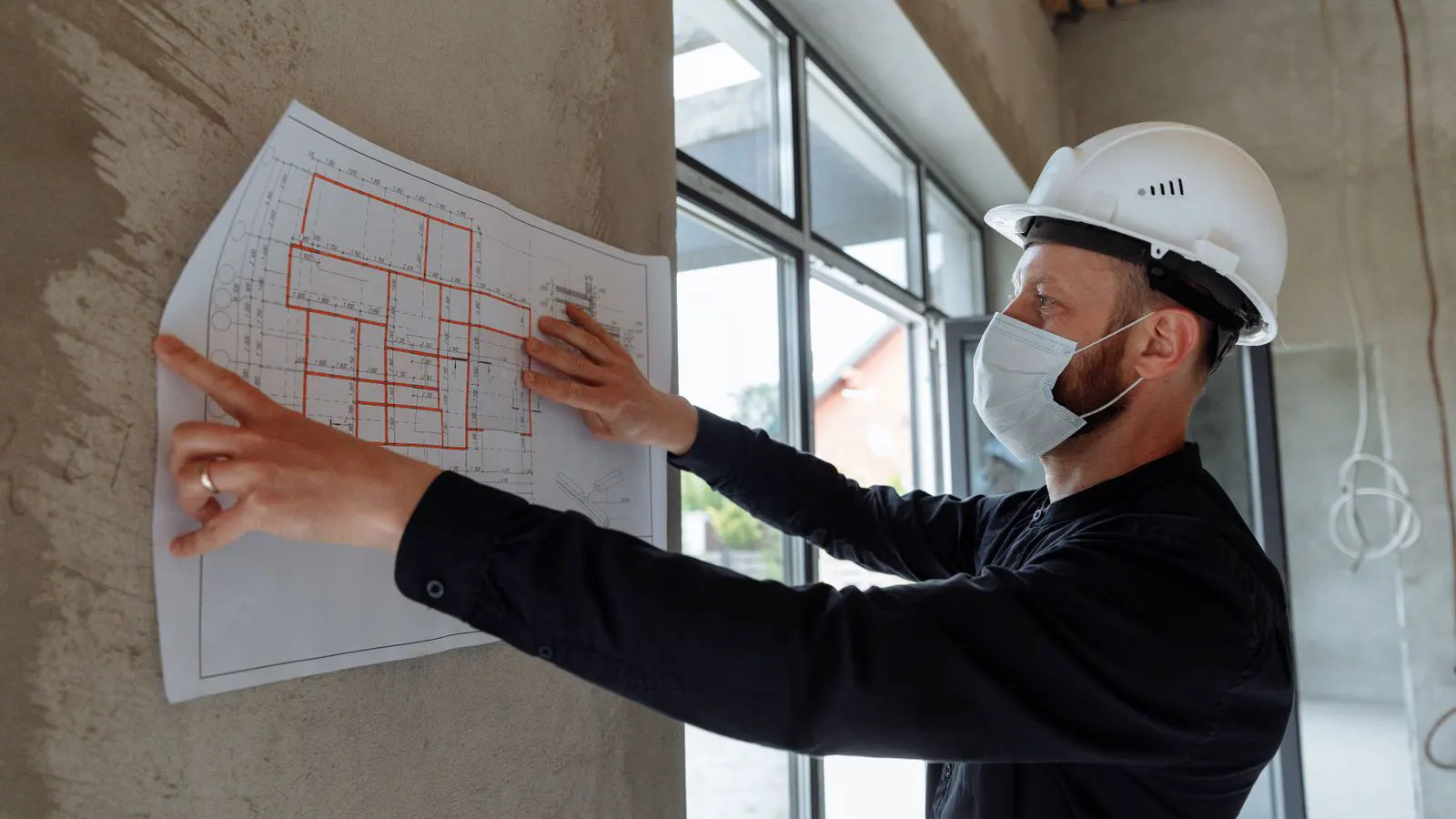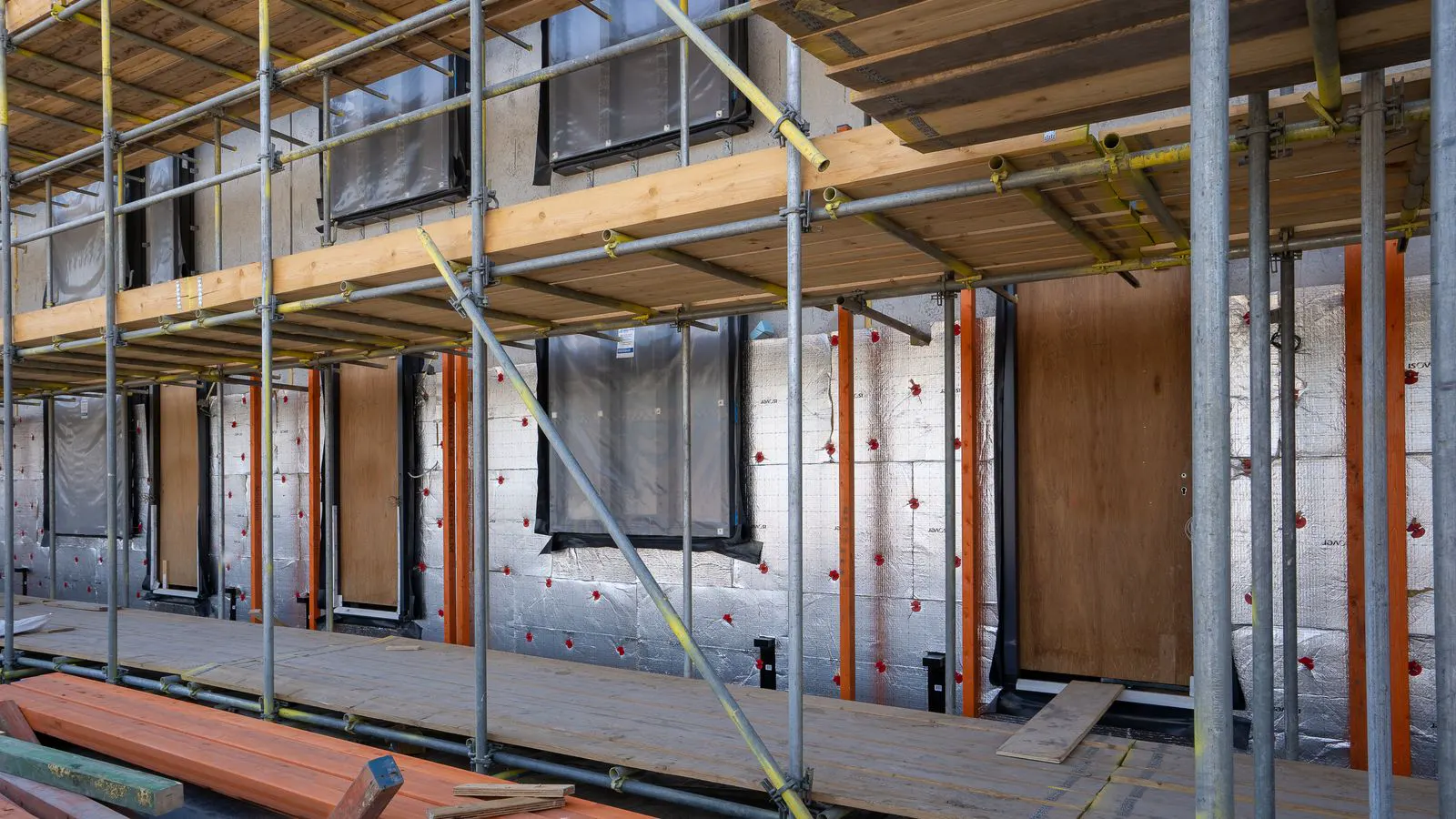
The shift to automated windows changes window installation labor because it requires specialized wiring, calibration, and testing. Buyers should plan for higher labor rates, longer site preparation, and specialized trade coordination to avoid cost overruns on smart building systems.
- Automated window systems require specialized labor for wiring, sensor integration, and motor calibration.
- Future labor costs will rise as installers must master both glazing trades and electrical systems.
- Building code compliance and safety testing increase the scope of post-installation labor.
- Early coordination between glazing contractors and electrical engineers reduces rework and delays.
- Standard labor estimates must be adjusted for the added complexity of smart building systems.
The labor model for window installation is shifting rapidly as motorized and automated glazing enters mainstream commercial and high-end residential construction. Traditional installation labor centers on physical tasks: measuring the opening, cutting the frame, shimming for level, applying sealant, and fixing the unit to the structural surround. Automated glazing adds a second, distinct phase to this process. This phase involves electrical connections, sensor alignment, and software calibration. These tasks require different trade skills, longer on-site durations, and a higher level of coordination between disciplines. Buyers who rely on historical labor rates for standard windows will face significant budget overruns if they do not account for these added technical layers.
How does automation change the installation scope?
A standard window unit requires a team to lift the frame into the opening, shim it level, and secure it to the structural surround. The work is physical and mechanical. The installer checks for plumb and level, applies weather sealing, and fixes the frame with anchor bolts or screws. The job is completed once the window is watertight and operates freely.
An automated window unit requires the same physical work, but it also demands an electrical connection. The installer must route power cables and signal wires from the building distribution point to the window motor. The installer must also connect the motor to the building control system. Finally, the installer must ensure the safety sensors are aligned and calibrated.
This shift means the labor force is no longer just glazing specialists. It now includes electricians and control system technicians. The glazing contractor often manages these trades, but the total labor hours increase significantly. The physical installation of the frame takes the same amount of time as a standard unit. The electrical and calibration work happens after the frame is fixed. This sequential process means the glazing crew must coordinate with the electrical crew to avoid rework.
Consider a commercial high-rise project. The window installation labor budget typically covers the crew that installs the sash. With automation, the budget must also cover the crew that drops the power drops and the technician who programs the limit switches. If these tasks are not scoped separately, the final invoice often includes change orders for electrical work. The glazing contractor may be responsible for the physical fit, but the electrical contractor is responsible for the circuit termination. The boundary between these trades is a common source of cost disputes.
What labor trends are affecting costs?
The demand for skilled glaziers who understand automation is outpacing the supply of available workers. Many experienced installers are moving on to other trades, and fewer new entrants are learning the combined trade of glazing and electrical control. This scarcity drives up labor rates. A glazier who can also troubleshoot a limit switch is difficult to find. The market is rewarding this dual skill set with higher wages.
There is a clear trend toward higher specialization. A general window installer may handle standard units. However, automated systems often require a certified technician. The certification requirement adds time and cost to the hiring process. The glazing contractor must spend more time verifying credentials before assigning a technician to a site. This administrative overhead also factors into the final labor rate.
Smart building systems also require regular testing. The labor cost is not just about the initial fit. It includes the commissioning phase. This phase involves testing every window cycle, checking the safety sensors, and integrating the unit into the building management software. This testing work is often overlooked in early estimates. The technician must operate each window through its full range of motion. They must verify that the obstacle detection sensors stop the window when an object is detected. They must also confirm that the window responds correctly to commands from the building management system. This process is time-consuming and requires a quiet site environment to ensure accurate sensor readings.
How do smart building systems impact budgets?
Smart building systems connect windows to lighting, HVAC, and security networks. This integration adds a layer of labor that was not present in traditional projects. The installer must work with the building engineer to ensure the window controller receives the correct signals. The installer must also verify that the window status is reported back to the central system.
The labor cost for this integration depends on the complexity of the building. A single office floor is simpler than a multi-tenant commercial complex. In a complex, each window may have different control logic. For example, some windows may be programmed to open during a fire alarm sequence, while others remain closed for security reasons. This requires more programming time. The technician must configure each window individually or in groups based on the building’s fire and life safety plan.
Buyers should expect labor costs to be higher for projects with advanced automation. The cost is driven by the need for technical expertise. A standard installer cannot program a window to open during a fire alarm sequence. That task requires a specialist who understands building codes and fire safety protocols. The labor budget must reflect this specialized skill set.
What are the key labor cost components?
The total labor cost for automated windows breaks down into four main areas. The first is the physical installation. This covers the glazing crew that sets the frame and seals the opening. The second is the electrical connection. This covers the routing of power and signal cables. The third is the calibration and testing. This covers the programming of motors and sensors. The fourth is the commissioning. This covers the final integration with the building management system.
Understanding these components helps buyers scope the work accurately. A lump-sum quote often hides the electrical and calibration costs. A detailed labor breakdown allows the buyer to see where the money is going.
| Labor Component | Typical Task | Cost Factor |
|---|---|---|
| Physical Installation | Frame setting, shimming, sealing | High for high-rises |
| Electrical Connection | Cable routing, motor power | Moderate, trade-specific |
| Calibration | Motor limits, sensor alignment | High, requires precision |
| Commissioning | Building system integration | Variable, project-dependent |
How should buyers prepare for higher labor costs?
Buyers should start the planning phase earlier. Early coordination between the architect, glazing contractor, and electrical engineer reduces rework. If the electrical plan is finalized before the window design is complete, the glazing contractor can plan the labor flow more efficiently. The electrical engineer must know the location of the window motors. The architect must know the location of the power drops. If these details are unclear, the glazing contractor will have to make assumptions. These assumptions often lead to change orders when the electrical plan is finalized.
The buyer must also review the labor scope in the contract. The contract should explicitly state who handles the electrical work. In many projects, the glazing contractor assumes the electrical work. In others, a separate electrician is hired. This distinction changes the labor cost significantly. A glazing contractor may charge a premium for electrical work because they are not specialized in that trade. A separate electrician may charge a lower rate for the same work. The buyer must compare these options.
Training is another factor. If the building staff will operate the windows, they need training. The labor cost for this training should be included in the budget. It is a small cost, but it prevents user errors and future service calls. The training should cover how to operate the windows, how to reset a fault, and how to contact maintenance. The training should also cover the safety features of the system.
What risks exist if labor costs are underestimated?
Underestimating labor costs leads to project delays. If the calibration team is not scheduled, the project cannot move to the commissioning phase. The building cannot be handed over until every window is tested. The testing process is sequential. The technician must test each window individually. This means the calibration team cannot work in parallel with the glazing team. The glazing team must complete a section of the building before the calibration team can start on that section. This creates a bottleneck. If the calibration team is not scheduled, the glazing team must wait. This waiting time increases labor costs.
There is also a risk of safety non-compliance. Automated windows must meet specific safety standards. If the testing is rushed, the windows may not pass the final inspection. This can result in fines or the need for rework. The rework may involve recalibrating the sensors or reprogramming the motors. This work is expensive and time-consuming. The buyer must ensure that the commissioning phase is adequately funded and scheduled.
The most common mistake is assuming that automation adds only a small percentage to the labor budget. In reality, the electrical and calibration work can be comparable to the physical installation cost. Buyers must plan for a significant increase. The labor budget should be reviewed after the electrical plan is finalized. The glazing contractor should provide a detailed labor breakdown that separates physical installation from electrical and calibration work. This allows the buyer to verify that the budget is adequate.
How can labor efficiency be improved?
Labor efficiency can be improved by standardizing the installation process. If the automated window design is consistent across the building, the calibration steps can be repeated. This reduces the learning curve for the technicians. The technicians can develop a routine for the calibration process. This routine reduces the time required for each window. The glazing contractor can also use standard wiring diagrams and cable routes. This reduces the time required for the electrical work.
Modular design also helps. If the window units are delivered with pre-wired motors, the on-site electrical work is reduced. The installer only needs to connect the pre-wired unit to the building panel. This reduces the number of hours on site. The manufacturer can also provide pre-programmed limit switches. This reduces the time required for calibration. The installer only needs to verify the settings and test the sensors.
Buyers should also consider the maintenance phase. A well-installed system is easier to service. If the wiring is neat and the sensors are accessible, future labor costs for maintenance are lower. The glazing contractor should provide a maintenance manual that includes wiring diagrams and sensor locations. This manual helps the maintenance team identify faults quickly. The manual should also include a troubleshooting guide that helps the maintenance team resolve common issues.
The shift to automated windows is permanent. Buyers must adapt their labor planning to match this reality. The old methods of estimating window installation labor are no longer sufficient. The new methods require a deeper understanding of electrical integration and control systems. Buyers must work with contractors who have experience with automated glazing. They must also ensure that the contract clearly defines the scope of electrical and calibration work. This approach will help buyers manage labor costs effectively.
Frequently asked questions
Does automated window installation require a licensed electrician?
Yes, in most jurisdictions, the electrical connection of motorized windows requires a licensed electrician. The glazing contractor may coordinate this work, but the electrical connection itself must meet local code.
How much longer does automated window installation take?
The physical installation of the frame takes the same time as a standard window. The electrical and calibration work adds significant time. The total duration depends on the complexity of the building management system.
Can a standard window installer handle automated systems?
A standard window installer can handle the physical frame. However, they usually cannot handle the motor calibration and control programming. These tasks require specialized training in smart building systems.
How does retrofitting affect labor costs?
Retrofitting automated windows into existing buildings is more complex. The labor cost is higher because of the need to route new cables through existing walls and floors. The physical installation is also slower due to limited access.
What is the most common labor cost error?
The most common error is underestimating the commissioning phase. Buyers often budget for installation but forget the time required to test and integrate the windows into the building management system.