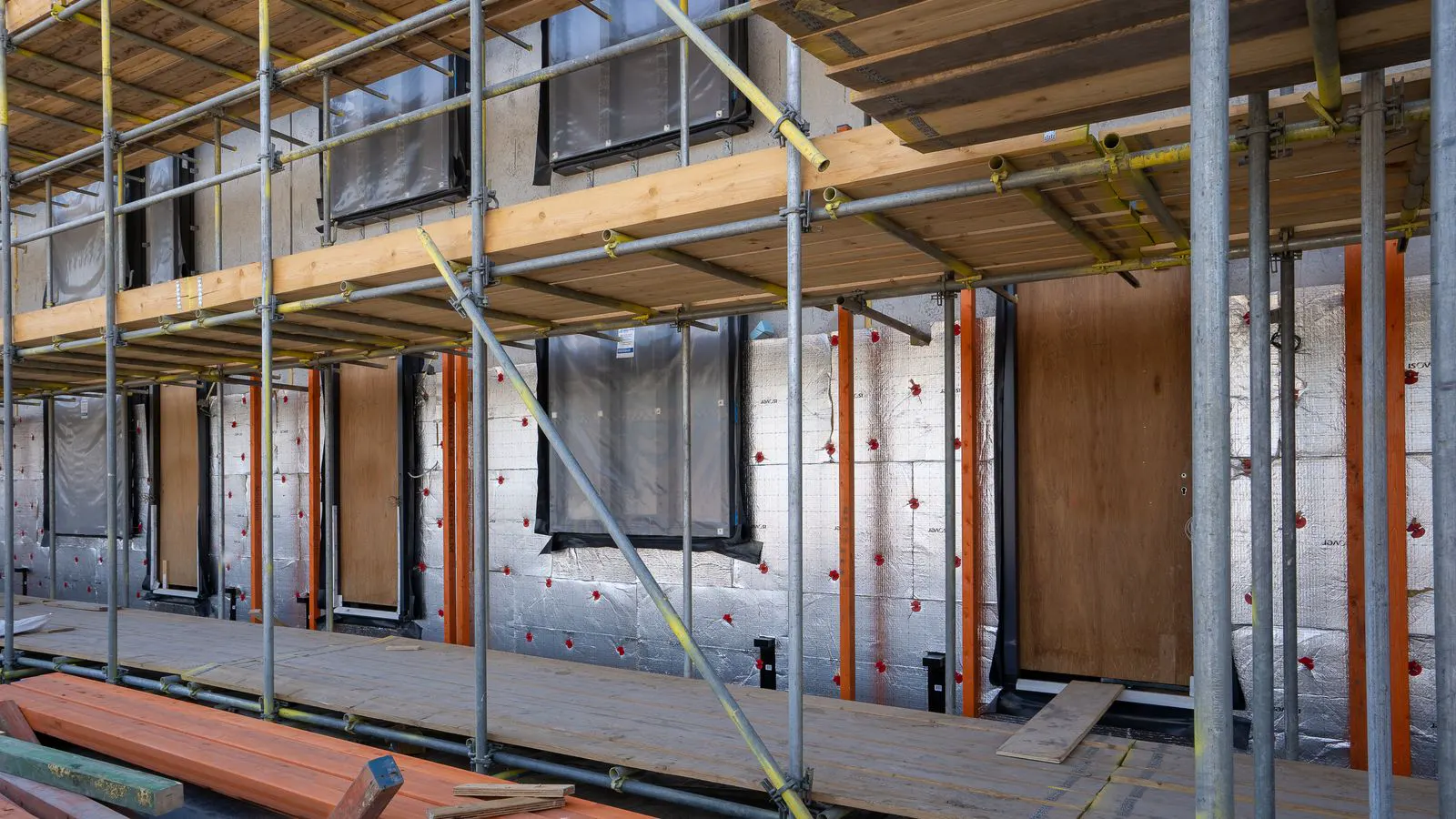
Full frame installation costs more but replaces the entire structure, while retrofit installation is cheaper and faster but works only with sound framing. The choice depends on existing conditions, budget, and required performance.
- Full frame installation requires removing the old unit and replacing the entire structure, which increases labor but ensures a new building envelope.
- Retrofit installation keeps the existing frame and installs a new insert, reducing cost and downtime but depending on the condition of the old frame.
- Labor rates, access difficulty, and local code requirements affect the final cost for both methods.
- The best choice depends on the condition of the existing window and the performance goals of the project.
What drives the cost difference?
Window replacement cost is not a single number. It depends on the condition of the existing opening, the type of unit being installed, and the method used to set it. The two main approaches are full frame installation and retrofit installation. Each has a distinct cost structure because they change the scope of work.
Full frame installation removes the old window entirely, including the frame, sash, and glazing. The new unit is set into the rough opening and sealed against the building envelope. This is a bigger job. It requires more labor, more material handling, and more time on site. The cost reflects that added work.
Retrofit installation keeps the existing frame. A new insert or sash is placed inside the old structure, and the gap between the new unit and the old frame is filled with foam or other material. The labor is lower because the rough opening is not opened up. The material cost is also lower because the new unit is smaller.
How full frame installation affects cost
Full frame installation is the standard method when the existing frame is damaged or when a structural upgrade is needed. The old unit is removed, the rough opening is cleaned, and the new frame is set into the opening. The window is then sealed with foam or gaskets to close the gap between the frame and the rough opening.
The labor cost for this method is higher. Crews must handle the removal of the old unit, which can involve cutting, prying, and careful dismantling. If the old frame is glued or nailed in place, the removal takes longer. The new unit must be set level and plumb, and the gap must be sealed correctly. Any error here can lead to air leakage or water intrusion, which creates rework cost.
The material cost for full frame installation is also higher. The new unit is larger because it includes the full frame. The sealant and foam needed for the gap between the frame and the rough opening are more extensive. If the rough opening needs repair before the new unit is set, that adds material and labor cost.
How retrofit installation affects cost
Retrofit installation is used when the existing frame is sound and the opening is in good condition. The old sash and glazing are removed, but the outer frame stays. A new insert is placed inside the old frame, and the gap is filled with foam or gasket material. The labor cost is lower because the rough opening is not opened up. The crew does not need to remove the old frame or repair the opening.
The material cost is lower because the new unit is smaller. The insert fits inside the existing frame, so it uses less glass, less frame material, and less sealant. The job is also faster. A retrofit installation can often be completed in a few hours, while a full frame installation may take a full day.
The limitation of retrofit installation is that it depends on the condition of the existing frame. If the frame is warped, cracked, or has rot, the new insert will not perform well. The foam or gasket cannot compensate for a damaged structure. In that case, a full frame installation is the only option.
Comparison of the two methods
| Option | Best for | Limitations |
|---|---|---|
| Full frame installation | Damaged framing, structural upgrades, high performance goals | Higher labor cost, longer installation time, more material handling |
| Retrofit installation | Sound existing frames, tight budgets, occupied buildings | Depends on frame condition, limited performance upgrade, less structural change |
| Option | Labor time | Material cost | Access requirement |
|---|---|---|---|
| Full frame installation | Longer | Higher | Requires access to the rough opening |
| Retrofit installation | Shorter | Lower | Requires access to the existing frame |
When to choose full frame installation
Full frame installation is the right choice when the existing frame is damaged. If the wood is rotting, the metal is corroded, or the structure is no longer square, the old frame must be removed. A new unit set into a damaged opening will not perform well. The cost of a full frame installation is justified by the need for a new structure.
It is also the right choice when the project requires a structural upgrade. If the building envelope needs to be improved, or if the window must meet a specific performance standard, a full frame installation allows for a new building envelope. The new frame can be sized to the exact dimensions of the opening, and the seal can be controlled.
Full frame installation is also the standard method for new construction. In a new building, the rough opening is built to receive the new unit. There is no old frame to remove, but the work is similar to a retrofit. The labor cost is driven by the size and complexity of the opening.
When to choose retrofit installation
Retrofit installation is the right choice when the existing frame is sound. If the wood is dry, the metal is intact, and the structure is square, the old frame can be kept. The labor cost is lower, and the installation is faster. This makes retrofit installation a good option for occupied buildings where access is limited and downtime must be minimized.
It is also the right choice when the budget is tight. The material and labor costs are lower, so the total cost is often significantly less than a full frame installation. The trade-off is that the performance upgrade is limited. The new unit fits inside the old frame, so the air and water barrier is not as controlled as in a full frame installation.
Retrofit installation is also used when the existing frame is in good condition but the sash or glazing has failed. If the old frame is still structurally sound, the new insert can be placed inside it without removing the outer structure. This is a common approach in older buildings where the frames are in good condition but the glazing is outdated or damaged.
How local conditions affect the cost
The final window replacement cost depends on local conditions. Labor rates vary by region. In high-cost areas, the labor cost for a full frame installation may be significantly higher than in low-cost areas. Material costs also vary, but the difference is usually smaller than the difference in labor.
Access is a major factor. If the window is on the upper floors of a building, the labor cost increases. The crew may need to use a crane or a lift to move the unit into place. This adds material and labor cost to the project. If the window is on the ground floor, the labor cost is lower because the unit can be carried in by hand.
Local code requirements also affect the cost. Some jurisdictions require specific sealants, specific foam, or specific installation methods. If the existing frame does not meet the current code, a retrofit installation may not be allowed. In that case, a full frame installation is required. The cost difference is then driven by the code requirement, not by the project goals.
How to scope the labor for a specific project
To scope the labor for a window replacement project, the first step is to inspect the existing frames. The condition of the frame determines the method. If the frame is sound, a retrofit installation is possible. If the frame is damaged, a full frame installation is required.
The second step is to measure the openings. The size of the opening determines the size of the new unit. The labor cost is driven by the number of openings and the complexity of the installation. A large opening or a difficult access point will cost more to install.
The third step is to review the project timeline. If the project is on a tight schedule, the method is chosen based on the speed of installation. Retrofit installation is faster, so it is the right choice when time is a constraint. Full frame installation takes longer, so it is the right choice when the timeline allows for the additional work.
The final step is to review the budget. The budget determines the method. If the budget is tight, a retrofit installation is the right choice. If the budget allows for the additional labor and material, a full frame installation is the right choice. The choice is not just about cost. It is about the condition of the building and the goals of the project.
Common mistakes in choosing the method
The most common mistake is choosing a retrofit installation when the existing frame is damaged. The crew will install the new insert, but the old frame will not hold it properly. The window will leak, and the air barrier will be compromised. The cost of the retrofit is wasted because the structure is not sound.
Another mistake is choosing a full frame installation when the existing frame is sound. The labor cost is higher than necessary. The material cost is higher than necessary. The project takes longer than necessary. The extra cost is not justified by any improvement in performance.
The best approach is to inspect the existing frames before the decision is made. The condition of the frame determines the method. If the frame is sound, a retrofit installation is possible. If the frame is damaged, a full frame installation is required. The choice is not a matter of preference. It is a matter of building condition and project goals.
Final selection
The choice between full frame and retrofit installation depends on the condition of the existing frame and the goals of the project. Full frame installation is the right choice when the frame is damaged or when a structural upgrade is needed. Retrofit installation is the right choice when the frame is sound and the budget is tight. The window replacement cost is driven by the labor and the material, and both are affected by the method chosen.
The final decision should be based on the inspection of the existing frames. If the frame is sound, a retrofit installation is possible. If the frame is damaged, a full frame installation is required. The choice is not a matter of preference. It is a matter of building condition and project goals.
Frequently asked questions
What is the difference in cost between full frame and retrofit installation?
Full frame installation costs more because it requires removing the old unit and replacing the entire structure. Retrofit installation costs less because it keeps the existing frame and installs a new insert.
When should I choose full frame installation over retrofit?
Choose full frame installation when the existing frame is damaged, when a structural upgrade is needed, or when the building envelope must be replaced. Retrofit installation is not suitable for damaged frames.
How long does each installation method take?
Retrofit installation is faster because the rough opening is not opened up. Full frame installation takes longer because the old unit must be removed and the new unit must be set into the rough opening.
Does the existing frame condition affect the cost?
Yes. If the existing frame is damaged, a full frame installation is required, which costs more. If the existing frame is sound, a retrofit installation is possible, which costs less.
Can I install a new window in an occupied building?
Yes, but the method depends on access. Retrofit installation is often easier in occupied buildings because the work is contained inside the existing frame. Full frame installation requires more space and may cause more disruption.