This checklist outlines the exact steps to budget a window project. It covers material specs, labor rates, site prep, permits, and contingency planning. Follow each item to avoid surprise invoices and ensure accurate budget planning.
- Separate material costs from labor rates to identify where your budget is most flexible.
- Always include a contingency line for hidden structural work and disposal.
- Verify site access and permit requirements before signing a contract.
- Track every change order in writing to protect your original budget.
A window replacement project rarely fails because of the glass. It fails because the budget missed the labor, the prep work, and the small decisions made on site. Professional buyers and engineers need a systematic way to capture every cost line before the first window leaves the warehouse. This checklist breaks down the window installation cost into manageable categories. It moves from the physical product to the labor crew and finally to the administrative requirements that govern the job.
Define the Material Specification
The first step is to lock in the exact material spec before quoting labor. A budget that lists “vinyl windows” is useless. It must specify the profile material, the glass package, and the hardware system. Write down the frame material. Is it vinyl, aluminum, wood, or a composite? The material dictates the tolerance for the opening and the type of fasteners the installer will need.
Specify the glass package in detail. List the glass thickness, the spacer type, and the gas fill. Low-E coatings and argon gas change the energy performance and the material cost. If the building code requires specific U-factor or SHGC values, put those numbers in the budget document. This level of detail prevents the installer from substituting a cheaper unit that does not meet the project standard.
Include the hardware in the material line. Handles, locks, and hinges are often overlooked in early estimates. A standard residential unit and a commercial security package can have very different hardware costs. List the sill material as well. Aluminum, steel, and wood sills require different installation methods and different costs.
Quantify the Installation Labor
Labor is the variable part of the window installation cost. It is not a flat rate. It depends on the crew size, the access difficulty, and the number of units. Break the labor into three distinct lines: demolition, rough-in preparation, and final installation.
Demolition includes removing the old window, the old framing, and the interior trim. If the old window is rotted, the labor line must account for structural repair. A simple removal might take an hour per unit. A removal that exposes decayed sill plates can take four hours.
The rough-in preparation line covers squaring the opening, adding flashing, and verifying the level. This is where installation labor costs can spike. If the opening is out of square by more than standard tolerances, the installer must shim the frame or cut the jamb. These adjustments take time and require specialized tools.
Final installation includes setting the unit, securing it with the correct fasteners, and applying the weather sealant. The labor cost here is driven by the number of units and the complexity of the sealant joints. For a long project, negotiate a per-window rate. For a single project, use a flat rate that includes all these steps.
Assess Site Access and Logistics
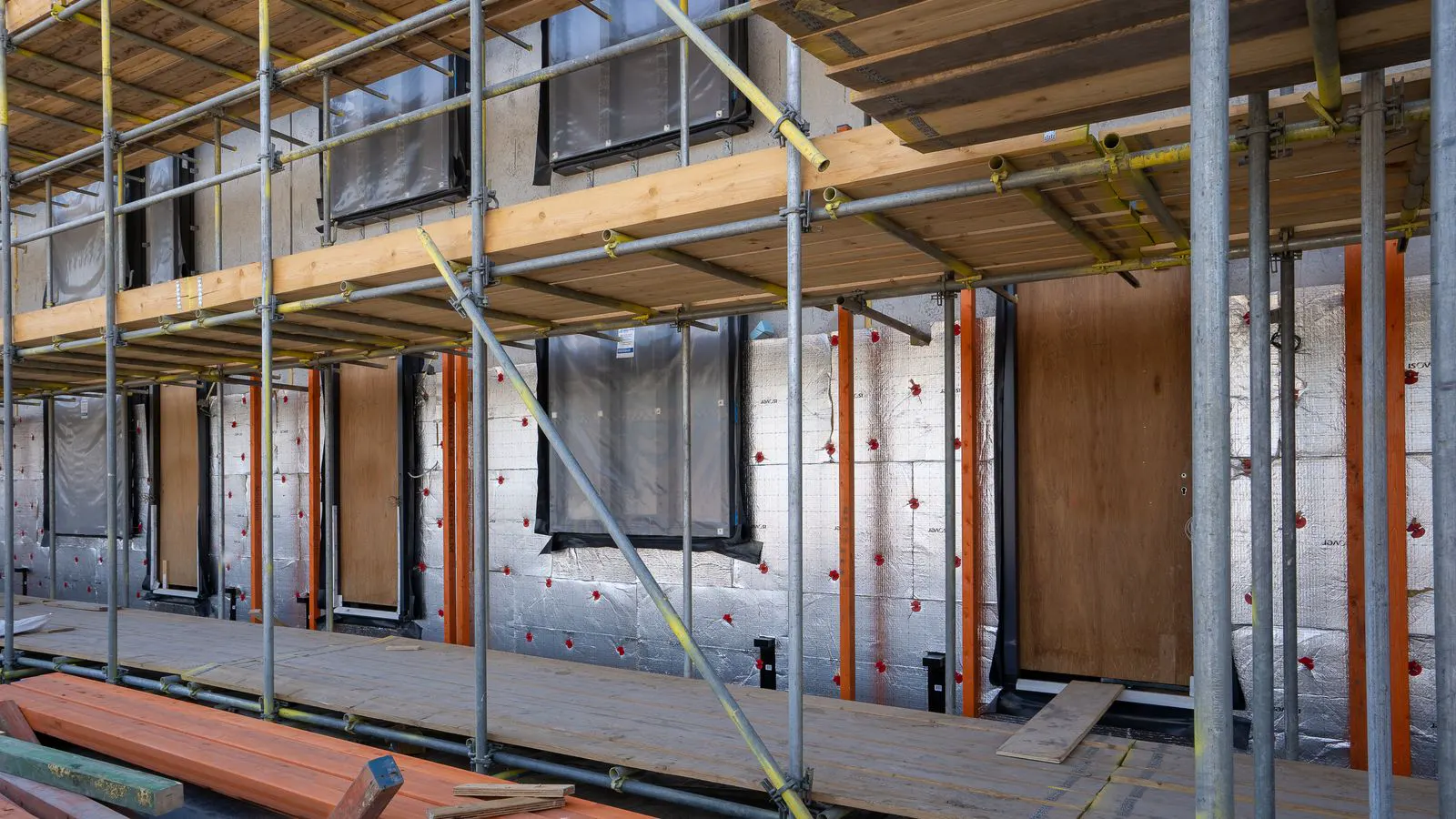
Site access changes the labor cost more than most buyers expect. A ground floor unit with a clear path to the exterior is cheap to install. A fourth floor unit with no elevator or a tight courtyard is expensive. Map the route from the delivery truck to the installation point.
Check the weight of the units. A large insulated glass pane is heavy and requires two or more people to move. If the site requires a crane or a lift, add that equipment cost to the labor line. Do not assume the delivery truck can reach the site. If it cannot, the delivery cost becomes a separate line item.
Consider the staging area. Where will the units wait before they are installed? If the site is crowded, the installer needs space to work. Lack of space slows the crew down. A slower crew increases the installation labor time. Budget for a staging area or a temporary storage solution if the site is constrained.
Verify Permits and Regulatory Requirements
Many jurisdictions require a permit for window replacement. This is a fixed cost that must be in the budget. The permit fee varies by location and the scope of the work. If the project involves structural changes, the permit fee increases.
Check the local energy code. Some regions require specific performance ratings for new windows. If the current windows meet the code, replacing them with a lower performance unit may not be allowed. Verify the code before ordering the material.
Review the building management rules. In a condo or commercial building, there may be restrictions on the window profile or the color. These restrictions can force a change in the material spec. A change in the material spec changes the cost. Confirm all rules in writing before the contract is signed.
Prepare for Contingency and Disposal
The most common mistake in budget planning is assuming the site is in perfect condition. It is not. There will be surprises. A rotted sill. A hidden nail. A crack in the masonry. The budget must include a contingency line. A standard contingency of ten to fifteen percent covers most minor surprises.
Include the disposal cost. The old windows, the old trim, and the packaging all go to the landfill or a recycling center. This is a real cost. Do not assume the installer will handle it for free. Ask for the disposal fee in the quote. If the old windows contain lead paint, the disposal cost increases significantly.
Budget for the weather protection. If the installation happens in cold or wet weather, the crew needs extra time to protect the opening. This adds to the labor cost. If the project spans multiple seasons, the budget must account for the downtime. A window installed in winter may need extra sealant and extra time to ensure the sealant cures properly.
Review the Contract and Payment Terms
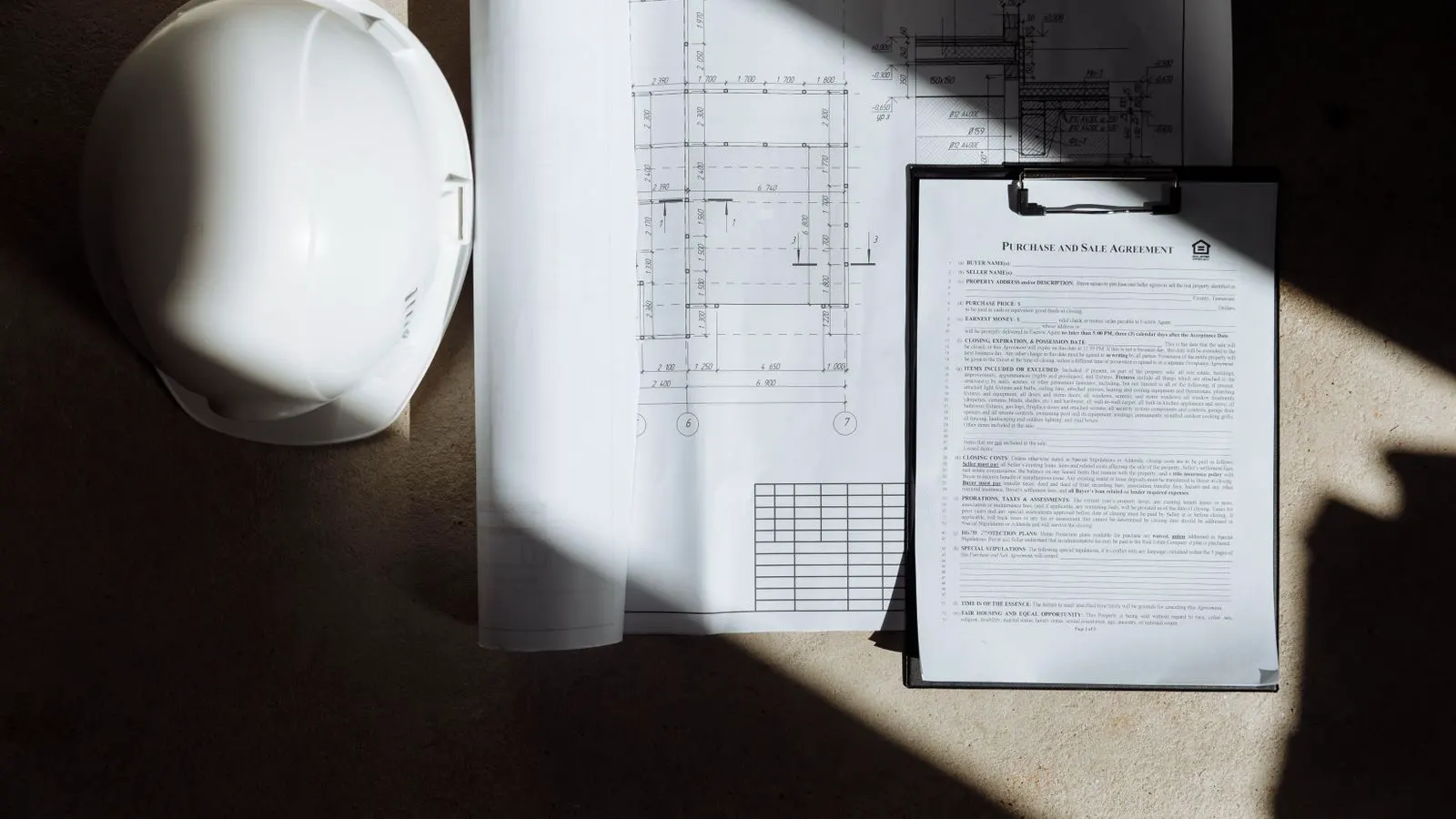
The contract is the final control point for the window installation cost. The contract must match the budget. If the budget says “vinyl windows,” the contract must say “vinyl windows.” If the budget says “flat rate,” the contract must say “flat rate.”
Check the payment schedule. A standard schedule might be fifty percent on signing and fifty percent on completion. Some contractors ask for a larger deposit. Do not pay more than a reasonable percentage upfront. The payment terms protect both parties. The buyer protects the budget. The contractor protects the cash flow.
Define the change order process. If the site condition changes, the price will change. The contract must say how that happens. A verbal agreement is not a contract. Every change must be in writing. This protects the original budget. If the installer adds an item that was not in the original scope, the buyer must approve it before the work continues.
Track the Project Against the Budget
The budget is not a one-time document. It is a living tool. Track the actual costs against the planned costs as the project moves. Compare the material invoice to the material budget. Compare the labor invoice to the labor budget.
If the labor cost is higher than planned, find out why. Was the site harder than expected? Was the crew smaller than promised? Address the issue immediately. Do not wait until the end of the project. A small delay in one phase can cause a large delay in the next phase.
Keep a file of all documents. The quotes, the contracts, the change orders, and the invoices. These documents are needed for warranty claims and for future renovations. They also help you understand the real cost of the project. At the end, you will have a true cost per window. This data is valuable for your next project.
| Cost Category | What to Include | Common Mistake |
|---|---|---|
| Material | Frame, glass, hardware, sill | Forgetting the glass gas fill |
| Labor | Demo, prep, install, sealant | Assuming a flat rate for all units |
| Logistics | Access, staging, equipment | Ignoring weight and lift requirements |
| Permits | Fees, inspections, code compliance | Ordering before checking the code |
| Contingency | Repairs, disposal, weather | Assuming the site is in perfect condition |
| Admin | Contract, change orders, insurance | Verbal agreements on scope changes |
The window installation cost is a sum of many small parts. Each part has a logic. The material is defined by the spec. The labor is defined by the site. The admin is defined by the rules. When you break the cost down like this, you can see where the money goes. You can see where you have flexibility. You can see where you are at risk.
A good budget is not a guess. It is a plan. It tells you what you are buying and what you are paying for. It tells you what happens if the site is not what you expect. It tells you how to handle the work without losing control of the price. Use the checklist. Write down every item. Check it against the site. Verify it against the code. Then sign the contract. The project will go smoothly. The budget will hold. The windows will last.
Frequently asked questions
How much does window installation cost vary by site?
Site access can change the labor cost significantly. A ground floor unit with easy access costs less than a high floor unit requiring a lift.
What is the most common budget error in window projects?
Forgetting the disposal and disposal of the old windows. This is a real cost that is often missed in early estimates.
Should I pay the full amount upfront?
No. A standard payment schedule is fifty percent on signing and fifty percent on completion. Do not pay more than a reasonable deposit upfront.
How do I handle a change in the material spec?
Stop the work. Review the change. Get a written quote for the new spec. Update the budget and the contract before the work continues.
Is the permit fee included in the labor cost?
No. The permit fee is a separate line item. Check the local regulations and add the fee to the budget separately.