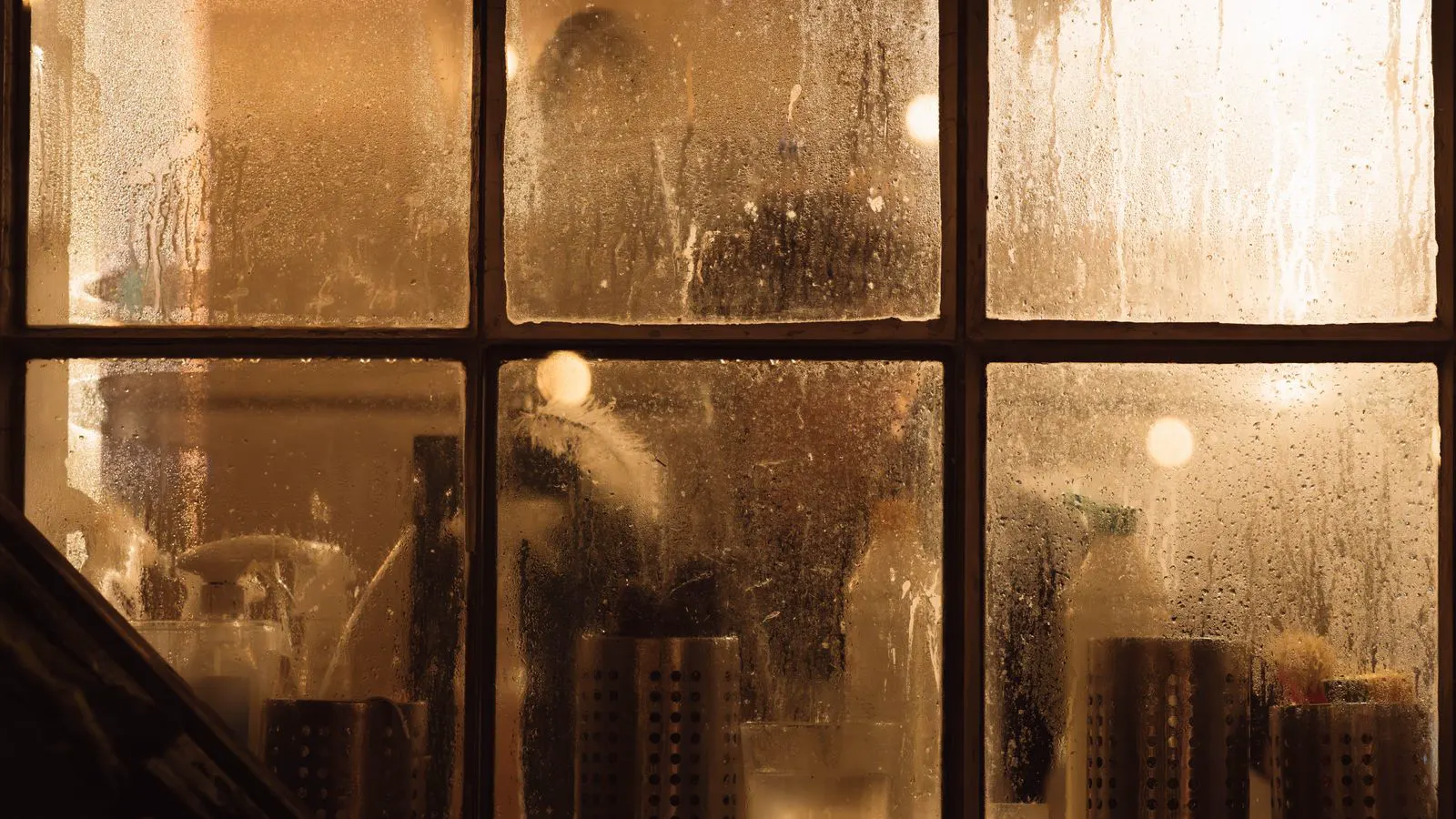
An insulated glass unit fails when the seal breaks, allowing air and moisture to enter. This causes fogging, reduced thermal performance, and condensation. Understanding the failure mechanisms helps buyers specify better seals and manage warranty expectations.
- Seal failure in an insulated glass unit usually begins at the edge seal, not the glass itself.
- Fogging inside the cavity indicates lost vacuum or inert gas performance.
- Replacement cost and lead time depend on the size, glass type, and frame compatibility.
- Specifying edge seal thickness and spacer material affects long-term durability.
- Moisture ingress often follows temperature cycling, UV exposure, or physical impact.
What actually breaks in an insulated glass unit
An insulated glass unit, often shortened to IGU, consists of two or more glass panes separated by a spacer bar and sealed on all edges. The space between the panes holds either a vacuum or a low-conductivity gas. The seal keeps that space closed. When people ask why an insulated glass unit fails, the answer is almost always the seal, not the glass.
The seal has two main parts. The primary seal is a hot-melt or low-modulus sealant that bonds the glass edges to the spacer. The secondary seal is a metal or plastic gasket that sits under the primary seal. It acts as a backup. If the primary seal cracks or dries out, the secondary seal may still hold. If both fail, air and moisture move into the cavity.
Once moisture enters, it changes the optical appearance immediately. Tiny droplets form on the glass surfaces. This is the fogging or “clouding” that makes a window look dirty from the inside. The glass itself is still clean. The problem is trapped between the layers.
Why seal failure happens in the first place
Seal failure is rarely a single event. It is usually a combination of stress and time.
Thermal stress
Glass expands and contracts with temperature changes. A large insulated glass unit moving between outdoor and indoor conditions experiences repeated strain at the edges. The spacer bar moves differently from the glass. The seal must flex to accommodate this movement. If the seal is too rigid, it cracks. If it is too soft, it may creep over time.
UV exposure
Ultraviolet light degrades organic sealants. Many primary seals contain resins or polymers that break down under sustained sun exposure. South-facing or west-facing windows see more UV than north-facing ones. This accelerates hardening and cracking of the primary seal. The metal or plastic secondary seal is generally more resistant to UV, which is why it is the last line of defense.
Edge damage and impact
During installation, a glass edge can chip or crack without visible damage to the face. A chipped edge creates a stress concentration point. The seal bonds to a weaker area. Later, thermal cycling or vibration opens that weak spot. Moving furniture, slamming windows, or construction work nearby can also crack the seal.
Spacematerial issues
The spacer bar holds the glass panes apart. Common spacers are aluminum, stainless steel, or polymer. Aluminum spacers are light and inexpensive. They conduct heat better than other materials. Polymer spacers insulate better but may not handle all adhesive types. The spacer also holds the desiccant or inert gas pocket in place. If the spacer is poorly sized or the seal is applied unevenly, one edge may be under more stress than another.
Desiccant and gas performance
The cavity may contain a desiccant to absorb any trace moisture that was present during manufacturing. Desiccants have a finite capacity. They also age. If the seal fails before the desiccant is exhausted, fogging appears quickly. If the seal holds for years, the desiccant may eventually saturate, and fogging can appear even without a visible crack. This is a slower failure mode that is harder to diagnose.
What seal failure does to performance
The visible sign is fogging. The hidden costs are thermal, structural, and aesthetic.
Thermal performance drops
An insulated glass unit works because the cavity resists heat transfer. In a vacuum or inert gas environment, convection and conduction are minimized. When air enters, the cavity becomes a normal air gap. The thermal resistance of the unit falls. The U-value, which measures heat transfer, gets worse. In cold climates, this means higher heat loss. In hot climates, it means more heat gain. The difference may not be dramatic on a single unit, but it adds up across a building envelope.
Condensation and mold risk
Moisture trapped between the panes can drip onto the interior glass surface. This creates persistent dampness. In kitchens, bathrooms, or areas with high humidity, the trapped moisture can support mold growth on the glass or in the frame. This is a hygiene issue as well as a visual one.
Frame and sealant degradation
When the primary seal fails, the secondary seal may be exposed to moisture. If the secondary seal is a metal gasket, it can corrode over time. Rust can stain the frame and the glass edge. If the secondary seal is a polymer, it may swell or degrade. This can create a secondary failure path that was not present at the start.
Aesthetic and resale value
Fogged glass is one of the most common complaints in building maintenance. It is visible from the inside. It is hard to clean. It signals to occupants that the window is not performing as intended. In commercial projects, fogging can affect tenant satisfaction and maintenance budgets. In residential projects, it can affect perceived quality and resale appeal.
How seal failure affects sourcing decisions
When you specify an insulated glass unit, the seal is a line item, but its consequences are not. Buyers and engineers need to think about the seal as a performance component, not just an assembly detail.
Edge seal thickness and composition
The primary seal thickness should match the spacer width and the expected movement range. A thicker seal can handle more thermal movement but may be more expensive. A thinner seal is cheaper but less tolerant of stress. The composition matters too. Hot-melt sealants are fast and strong. Low-modulus sealants flex better but may have a shorter service life. For large panels or high-temperature-difference applications, a more flexible seal is often a better choice.
Secondary seal material
The secondary seal provides redundancy. Aluminum gaskets are common. They are inexpensive and reliable. They can corrode in high-humidity or coastal environments. Stainless steel gaskets are more corrosion-resistant but cost more. Polymer gaskets are lighter and may insulate better, but they must be compatible with the primary seal and the adhesive. Choosing the right secondary seal depends on the building location and the expected service life.
Spacer material selection
The spacer affects both the seal and the thermal performance. Aluminum spacers are standard. They are strong and rigid. They conduct heat, which can slightly reduce performance. Polymer spacers insulate better and may reduce thermal bridging. However, polymer spacers can be more expensive and may require specific sealants. For high-performance units, the spacer material is part of the overall thermal calculation.
Installation and handling
Even a well-made seal can fail if the unit is handled poorly. Glass edges are fragile. During transport, units can shift and contact each other. During installation, they can be bumped or left unsupported. A short period of improper storage can crack an edge seal before the unit is even in place. Sourcing decisions should include handling requirements. This means clear instructions for lifting, storage, and installation. It also means checking that the site crew has the right tools and procedures.
A worked example of seal failure in a project
Consider a mid-rise office building in a temperate climate. The project team specifies double glazing for all exterior windows. The glass is standard clear float glass. The spacer is aluminum. The primary seal is a standard hot-melt sealant. The secondary seal is an aluminum gasket.
After two years of service, maintenance staff report fogging in several windows on the west facade. The windows were installed without damage. The building has not had any major structural movement. The fogging is most common in units that receive direct afternoon sun.
The likely cause is UV degradation of the primary seal. The hot-melt sealant has hardened and cracked at the edges. The secondary seal is still intact, but it is not enough to prevent moisture ingress. The cavity has lost its inert gas or vacuum, and the thermal performance has dropped.
The project team has two options. The first is to replace the entire insulated glass unit. This is the standard repair. The new unit must match the old one in size, glass type, and seal specification. The second is to attempt a resealing job. Some contractors can cut out the old seal and apply a new one. This is less common and depends on the unit size and access. For large panels, resealing is often not practical.
The sourcing lesson here is that the initial seal specification was adequate for the building type but not fully matched to the solar exposure. A more UV-resistant sealant or a different spacer material could have extended the service life. The team should update the specification for the next project. They should also include a maintenance check in the building operations plan. Annual inspections should include a visual check of the glass edges for fogging or seal deterioration.
How to inspect for seal failure
A simple visual check can identify early seal problems. Look at the glass from both sides. Fogging or condensation between the panes is the clearest sign. It is not dirt. Dirt can be wiped away. Fogging cannot.
Check the edges. The seal should be continuous and uniform. Cracks, gaps, or discoloration are warning signs. Rust around the secondary seal is a sign of moisture exposure. A musty odor near the glass can indicate mold growth inside the cavity.
If you find fogging, do not assume the entire building is affected. Seal failure is often localized. It may follow a pattern based on solar exposure, installation damage, or a specific batch of units. Document the locations and patterns. This information helps identify the root cause and guides the repair strategy.
What to do when a seal fails
When an insulated glass unit seal fails, the decision is usually replacement. Resealing is possible in some cases, but it is not always economical or durable. The decision depends on the unit size, access, and cost.
For small units, such as bathroom or kitchen windows, a contractor may be able to reseal the unit on site. This involves cutting the old seal, cleaning the edges, applying a new seal, and allowing it to cure. It is a skilled job. The result is not always as good as a factory-made unit.
For large units, such as curtain wall panels or storefronts, replacement is the standard approach. The old unit is removed. The new unit is installed. The frame and surrounding sealants are checked for damage. This can be a significant cost, but it restores the full performance of the unit.
When specifying replacements, match the original unit as closely as possible. This includes glass type, coating, spacer material, and seal type. If the original unit is no longer available, the new unit should meet or exceed the original performance. This means checking the U-value, visible light transmittance, and solar heat gain coefficient.
Prevention and long-term management
Preventing seal failure starts with specification. Choose seal materials that suit the building location and the expected service life. For high-solar-exposure projects, use UV-resistant sealants. For large panels, use flexible seals that can handle thermal movement. For coastal or industrial environments, use corrosion-resistant secondary seals.
Prevention also extends to installation. Proper handling, support, and sealing of the frame are critical. A well-installed unit is less likely to fail than a poorly installed one, even if the materials are good.
Long-term management means regular inspections. A visual check of the glass edges can catch early problems before they spread. If fogging appears, address it quickly. Leaving a failed unit in place can lead to secondary damage to the frame and surrounding materials. It can also affect the thermal performance of the building envelope.
The key point is that seal failure is not a mystery. It is a predictable result of stress, time, and environment. Understanding the causes and the consequences allows buyers and engineers to make better sourcing decisions. It also allows operators to manage maintenance more effectively. An insulated glass unit is a system, not just a piece of glass. The seal is the part that keeps the system working. When it fails, the whole unit stops performing as intended.
Frequently asked questions
Can an insulated glass unit be repaired without replacement?
Yes, small units can sometimes be resealed by a qualified contractor. The process involves cutting the old seal and applying a new one. It is not always cost-effective or durable, especially for large panels.
What is the most common cause of seal failure in an insulated glass unit?
UV degradation of the primary seal is a common cause, particularly in high-solar-exposure locations. Thermal stress and edge damage during installation or use are other frequent contributors.
How can I tell if the fogging is from seal failure or from condensation on the glass?
Fogging from seal failure is trapped between the panes. It cannot be wiped away from the outside or inside surfaces. Condensation on the glass forms on the outer or inner surface and can be removed with a cloth.
Does seal failure affect the energy rating of an insulated glass unit?
Yes. When the seal fails and air enters the cavity, the thermal resistance drops. The unit no longer performs as a vacuum or inert gas insulated unit. The U-value gets worse.
How long can an insulated glass unit seal last before it fails?
It depends on the seal material, spacer, glass, and environment. Some units last decades. Others may show signs of failure in a few years. There is no single fixed lifespan.