Door hardware security verification requires checking specific mechanical tests, hinge reinforcement, and seal integrity against project requirements. This checklist helps inspectors confirm that handles, locks, and hinges meet the intended security level without relying on marketing claims.
- Verify that hinge pins are non-removable and reinforced against prying.
- Confirm that lock cylinders and deadbolts match the required security rating.
- Check that seals and gaskets remain intact and compressed without gaps.
- Review test reports and certification documents for every installed component.
- Look for red flags like visible gaps, loose fasteners, or mismatched hardware.
What does door hardware security verification involve?
Door hardware security verification is a physical and documentary review of the components that protect a doorway. It goes beyond visual inspection. Inspectors check how handles, locks, hinges, and seals perform under stress, and whether they match the project specification. The goal is to confirm that the hardware resists forced entry and meets the security rating required by the client or building code.
This process is critical for commercial buildings, residential high-security projects, and any installation where the door is a primary point of entry. A door with a high-security lock but weak hinges is still vulnerable to forced entry. Verification must cover the entire assembly, not just the lock cylinder.
How to verify hinge security ratings
Hinges are often the weakest point in a door assembly. They support the door weight and resist the force of a pry bar or battering ram. Verification starts with checking the hinge type. A standard butt hinge may not meet high-security requirements.
Inspectors should check the following:
- Hinge pin length and material
- Number of hinge leaves per door
- Reinforcement plates or strike plates
- Screw size and thread depth
- Clearance between the door edge and the frame
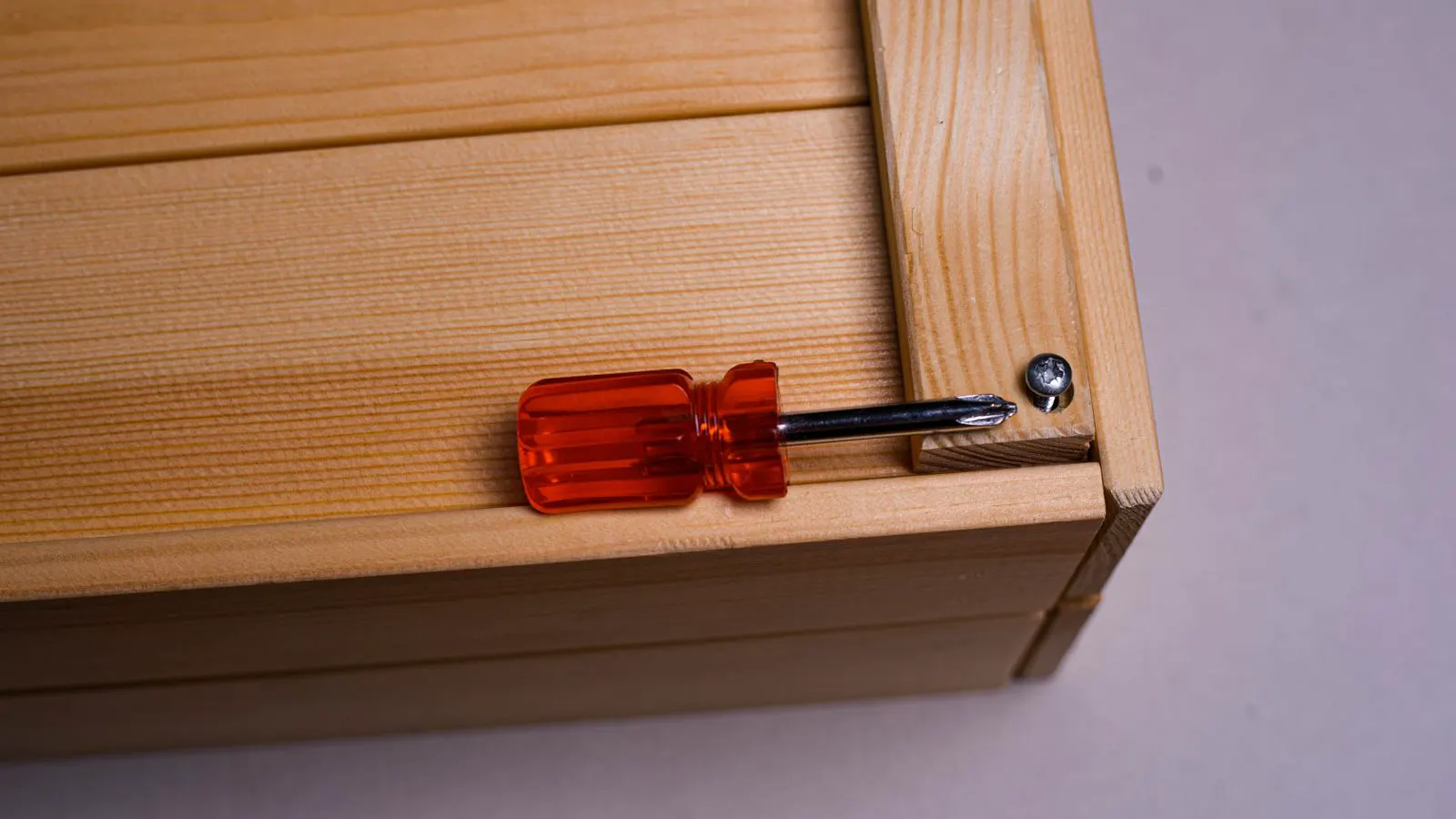
A high-security hinge often uses longer pins, hardened steel, or a pin that cannot be removed from one side. If the pin is exposed and can be pulled out with a screwdriver, the hinge is vulnerable to removal.
What tests must door hardware pass?
Security ratings are assigned based on standardized mechanical tests. These tests measure the force required to defeat the hardware. Different projects may require different levels of resistance. The inspector must confirm that the hardware passed the correct test category.
The table below summarizes the typical test categories and what they measure.
| Test Category | What It Measures | Typical Application |
|---|---|---|
| Prying Resistance | Force needed to separate the door from the frame | Standard commercial doors |
| Impact Resistance | Energy absorbed before the hardware fails | High-security entry points |
| Cylinder Defeat | Force required to damage or remove the lock cylinder | High-security residential and commercial |
| Hinge Removal | Force required to pull the hinge pin or plate | All exterior doors |
| Seal Integrity | Ability to maintain closure under pressure | All exterior doors |
The inspector should ask for test reports or certification documents. If the hardware was purchased from a distributor, the supplier should provide a data sheet that lists the test method and the resulting rating. Without this documentation, the security claim is unverifiable.
How to check lock and handle security
Locks and handles are the most visible parts of door hardware. Verification here focuses on the mechanism and the physical integrity of the components.
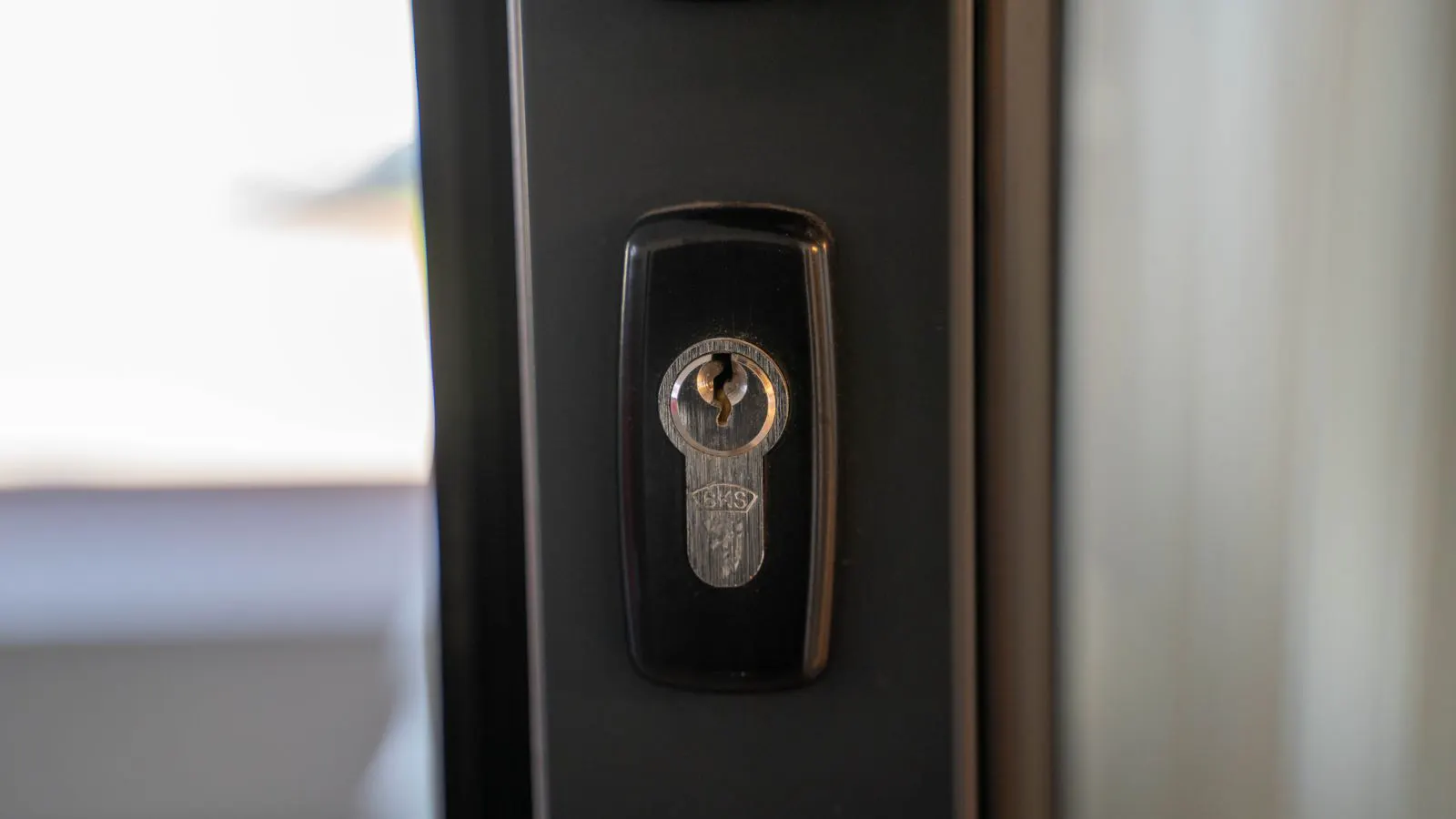
Inspect the lock cylinder. A high-security cylinder often uses a complex pin tumbler design or a wafer and pin combination. The inspector should check that the cylinder is not damaged, and that the keyway is not excessively worn. A worn keyway can be picked more easily.
For handles, check that the latch bolt retracts fully when the handle is turned. A latch that does not retract completely will not engage the strike plate. This creates a gap that can be exploited by someone trying to slide their hand behind the door.
Deadbolts are another key component. Verify that the bolt is made of hardened steel and that it extends fully into the strike plate. A short bolt or a bolt that does not engage the frame is a red flag.
What are the common red flags?
Red flags are signs that the hardware may not meet its stated security rating. They are often visible during a routine inspection.
- Gaps between the door edge and the frame
- Loose or missing screws on hinges or strike plates
- Scratches or dents on the door face that expose internal hardware
- A lock cylinder that feels loose in the frame
- A latch bolt that does not extend fully into the strike plate
- Visible gaps in the weather stripping or seal
- Hinge pins that are exposed and can be removed
- Scratches or damage to the deadbolt bolt
Any of these issues should be documented and corrected before the door is signed off. In some cases, the hardware may need to be replaced entirely.
How to verify seal and gasket integrity
Seals and gaskets are not always considered part of the security hardware, but they are critical for a secure door. A compromised seal can allow an intruder to insert a tool between the door and the frame. It can also allow air and moisture to enter, which weakens the door over time.
Inspect the perimeter of the door. The seal should be continuous and without gaps. It should be the correct material for the application. For example, a compression seal may be used for aluminum frames, while a brush seal may be used for wood doors.
Check that the seal is not compressed or worn. A worn seal will not maintain contact with the frame. This creates a gap that can be exploited for forced entry.
If the door is used in a high-security application, the seal should be integrated with the hardware. For example, the strike plate should sit flush with the seal, so that there is no gap between the bolt and the frame.
What documents are required for verification?
A complete verification requires more than a physical inspection. The inspector should collect a set of documents that support the security claims.
These documents typically include:
- Manufacturer data sheets for each component
- Test reports or certification documents
- Installation instructions
- Maintenance and inspection records
- As-built drawings showing hardware locations
The data sheets should list the material, finish, and security rating of each component. The test reports should show the test method and the results. The installation instructions should show how the hardware is mounted, and what fasteners are required.
Without these documents, the inspector cannot confirm that the hardware was installed correctly or that it meets the required security rating.
How to record and report findings
The inspection should be recorded in a structured format. A numbered checklist is useful for this purpose. The inspector should note the location of each issue, the severity of the issue, and the recommended correction.
The report should include:
- A summary of the hardware installed
- A list of tests performed and the results
- A list of red flags observed
- A list of documents reviewed
- A list of corrective actions required
The report should be signed by the inspector and submitted to the project manager. It should be kept as part of the building records. If the hardware is later found to be inadequate, the report provides a record of what was verified and when.
Final check before sign-off
Before the door is signed off, the inspector should perform a final walk-through. Open and close the door several times. Check that the latch and bolt engage smoothly. Check that the hinges do not creak or bind. Check that the seal is intact and compressed.
If any issue is found, it should be corrected before sign-off. The door should not be left in a state where the hardware is known to be inadequate.
Door hardware security verification is a process, not a single event. It requires attention to detail, access to documentation, and a willingness to correct issues before they become a problem. By following this checklist, inspectors can ensure that the hardware meets the required security rating and that the door provides the protection it is intended to offer.
Frequently asked questions
Can a standard hinge be upgraded to meet high-security requirements?
It depends on the hinge and the door. Some hinges can be replaced with reinforced versions, but others may require the entire door to be replaced.
How do I know if a lock cylinder has the right security rating?
Check the manufacturer data sheet for the cylinder. It should list the test method and the resulting rating. If the document is not available, ask the supplier.
What is the difference between a latch bolt and a deadbolt?
A latch bolt is operated by the handle and can be retracted from outside if the door is not locked. A deadbolt is operated by a key or thumb turn and cannot be retracted from outside.
How often should seals be inspected?
It depends on the application and the environment. In high-traffic areas, seals should be inspected more frequently. In low-traffic areas, annual inspection may be sufficient.
What should I do if I find a red flag during inspection?
Document the issue, report it to the project manager, and correct it before sign-off. If the issue cannot be corrected, the hardware should be replaced.