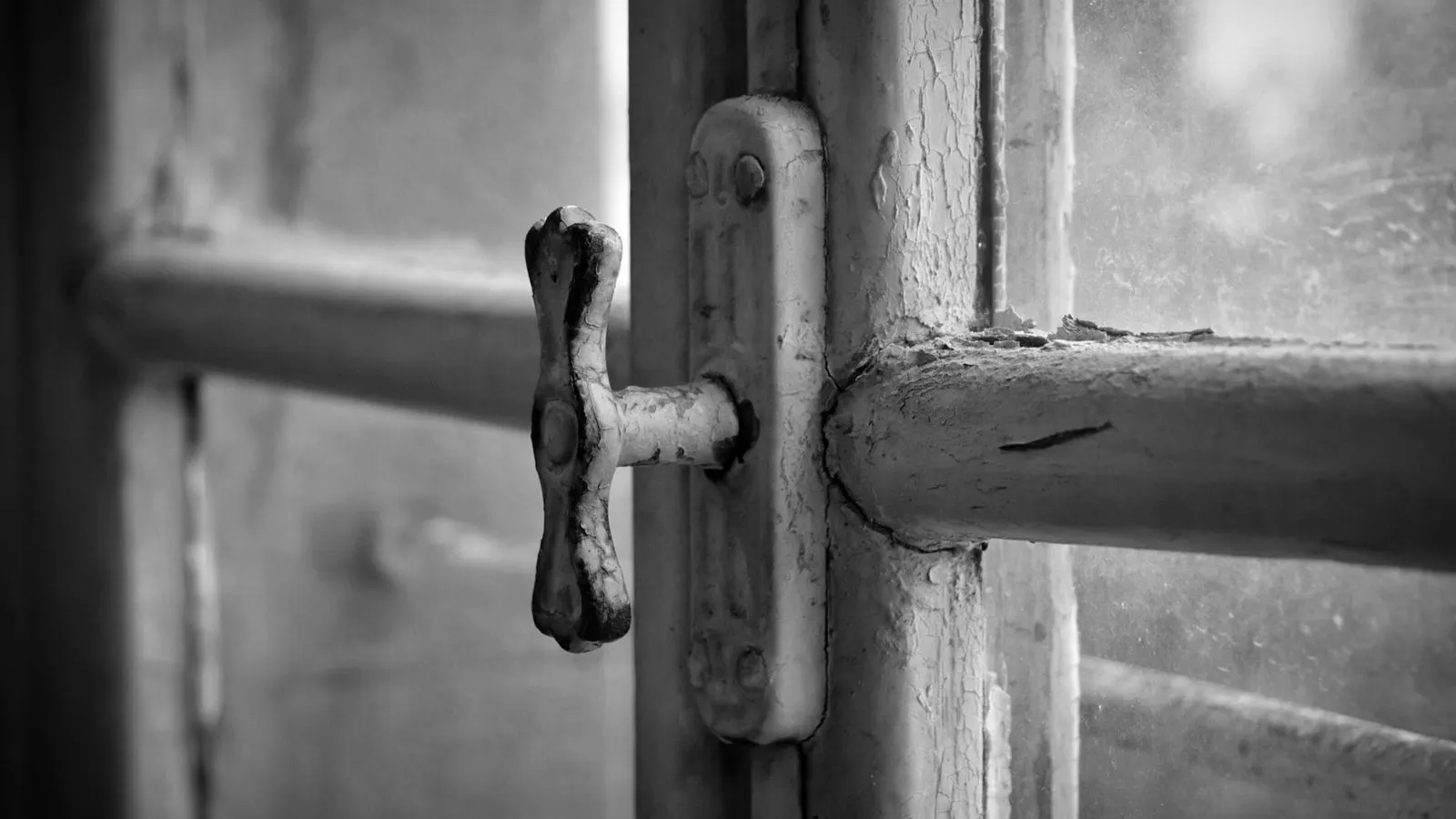
Door handles control when the lock bolt extends or retracts. Their design determines whether a door secures by default or requires user action. Understanding this relationship simplifies sourcing decisions for residential and commercial projects.
- Door handles determine when the latch or deadbolt engages.
- The type of handle changes whether a door locks by default or needs user input.
- Sourcing should match the handle to the required security level and operation frequency.
- Match handle material and finish to the door material to prevent premature wear.
- Verify that the handle works with the existing lock cylinder and strike plate.
How a Door Handle Controls Lock Engagement
A door handle is not just a grip. It is the actuation point for the locking mechanism. When a user turns the handle, a cam or lever inside the handle body moves a spindle. That spindle rotates the lock cylinder. The cylinder releases the latch bolt or moves the deadbolt into the strike plate.
The relationship is mechanical. If the handle does not move the spindle correctly, the lock will not engage. If the handle is too heavy, the lock cylinder may wear faster. If the handle is too light, the user may not apply enough force to fully seat the bolt.
For a professional buyer, this means the handle and the lock are a single system. You cannot specify one without specifying the other. A handle rated for light residential use may not work well with a heavy commercial deadbolt. A handle designed for frequent operation may wear out a latch mechanism faster than expected.
The Difference Between Latch and Deadbolt Operation
Most interior and exterior doors use a latch bolt. This is the spring-loaded piece that slides into the strike plate. The latch bolt is designed to disengage when the handle is turned. It does not stay locked unless there is a separate locking pin or a deadbolt.
A deadbolt is a solid metal pin that does not spring back. It stays in the locked position until the user turns the key or the handle. The handle may or may not move the deadbolt. This distinction changes how the door feels when it closes.
With a latch-only door, the handle always opens the door. The latch is never locked unless the user inserts a key. With a deadbolt, the handle may only move the latch bolt. The deadbolt stays extended. This creates a two-stage security effect. The door resists forced entry from the latch side, but the deadbolt adds resistance from the opposite side.
How Handle Design Affects Security Ratings
Security ratings are not assigned to handles alone. They are assigned to the complete assembly. The door frame, the strike plate, the latch bolt, the deadbolt, and the handle all affect the rating. A handle can raise or lower the effective security of a door.
A lever handle applies force across a wider surface than a knob. This can be more secure for users with limited grip strength. It is also easier to open quickly in an emergency. A knob applies force in a smaller area. It can be easier to pick in some designs, though modern cylinders mitigate this risk.
The throw angle of the handle matters. A handle that rotates too far may over-rotate the lock cylinder. This can damage the internal mechanism. A handle with too little throw may not fully retract the deadbolt. The user then has to force the door open, which puts stress on the hinge side.
For commercial projects, the handle must match the required access level. A standard handle is fine for a corridor door. A panic hardware handle is required for an exit door. A keyed handle is required for a secured area. The handle must be compatible with the lock mechanism and the fire rating of the door.
Material Selection and Wear Resistance
The material of the handle affects how long it lasts and how it interacts with the lock. Brass is traditional and durable. It can be polished or left in a natural finish. Stainless steel is resistant to corrosion and is common in commercial buildings. Aluminum is lighter and easier to shape. It is often used in residential projects where cost is a factor.
The finish also matters. A clear coat on a brass handle may chip over time. A matte finish on stainless steel may hide fingerprints better than a polished finish. In high-traffic areas, the finish should be chosen to match the maintenance schedule.
The handle material should match the door material. A heavy steel handle on a lightweight aluminum door can pull the door off its hinges over time. A light aluminum handle on a heavy solid wood door may feel flimsy and may not apply enough force to the lock cylinder.
A Worked Example: Sourcing a Handle for a Commercial Office
A facility manager is specifying handles for a cluster of offices in a corporate building. The doors are 18 inch solid core wood. The building requires a standard commercial lock set. The handles must withstand frequent use and match the existing door hardware.
The manager reviews three options. The first is a standard brass lever handle with a latch bolt. This is a common choice for office doors. It is easy to operate and fits most standard lock cylinders. The second is a stainless steel lever handle with a deadbolt. This adds a second locking point. It is better for high-security areas but costs more and requires a different strike plate. The third is a keyed lever handle. This is used for areas where only authorized staff can enter. It is more secure but harder to manage for general office use.
The manager chooses the brass lever handle with a latch bolt for the general offices. The deadbolt handle is reserved for the server room and the accounting office. The keyed handle is used for the executive suite. Each choice matches the security need and the frequency of use. The brass handles are easier to clean and maintain than the stainless steel ones. The deadbolt handles require a different strike plate and a longer lead time. The keyed handles require a master key system and regular re-keying.
Common Mistakes in Door Handle Sourcing
One common mistake is specifying a handle without checking the lock cylinder. The handle spindle must fit the cylinder. If it is too short, the latch will not retract. If it is too long, it may interfere with the door frame.
Another mistake is ignoring the door material. A heavy handle on a thin aluminum door can cause the door to sag. The hinge side will wear out faster. The lock side will not align with the strike plate. This creates a gap that allows air and water to enter.
A third mistake is choosing a handle that does not match the fire rating. A door with a fire rating must have a handle that does not compromise the rating. Some handles have a thermal break. Some are made of a material that does not conduct heat. If the handle is not rated for the fire rating of the door, the door will not pass inspection.
Verifying the Handle and Lock Assembly
Before installation, the handle and lock should be tested together. The handle should turn the latch bolt fully. The latch bolt should retract to the back of the mortise. The door should close and latch without forcing. The deadbolt, if present, should extend fully into the strike plate.
The strike plate should be checked for wear. A worn strike plate can cause the latch bolt to catch. This creates a gap between the door and the frame. The gap can allow a tool to be inserted between the door and the frame. This is a basic security risk.
The handle should be checked for smooth operation. If the handle feels stiff, the lock cylinder may be dirty or the spindle may be misaligned. If the handle feels loose, the mounting screws may be loose or the handle body may be cracked.
The handle should be checked for finish integrity. A chipped finish can allow moisture to enter the handle body. This can cause corrosion. The handle should be replaced if the finish is damaged.
Final Check for Security and Durability
The door handle is the point where the user interacts with the security system. It must work reliably. It must match the lock mechanism. It must match the door material. It must match the security requirement.
A well-sourced handle will last for many years. It will not wear out the lock cylinder. It will not sag on the hinges. It will not fail during a fire. It will not be picked in a few seconds. It will not require constant maintenance.
The best handle is the one that fits the specific door and the specific use. There is no single best handle. There is only the right handle for the job.
Frequently asked questions
Does a handle alone determine the security level of a door?
No. The handle is one part of a system. The lock cylinder, latch bolt, deadbolt, strike plate, and door material all affect the security level.
Can a standard residential handle be used on a commercial door?
Sometimes, but it depends on the frequency of use and the security requirement. A standard handle may wear out quickly in a commercial setting.
What is the difference between a latch bolt and a deadbolt?
A latch bolt is spring-loaded and disengages when the handle is turned. A deadbolt is a solid pin that stays locked until the user turns the key or the handle.
How does the material of a handle affect its lifespan?
The material affects how well the handle resists wear, corrosion, and impact. Brass and stainless steel are more durable than aluminum.
Can a handle be replaced without replacing the lock?
Yes, if the handle fits the same lock cylinder. The spindle length and throw angle must match.