uPVC windows offer lower maintenance and consistent performance, while wood provides thermal mass and aesthetic variety. Engineers should select uPVC for low-touch commercial projects and wood for high-specification residential applications where finish quality is prioritized.
- uPVC frames resist moisture and decay without routine painting or sealing.
- Wood windows require regular maintenance to prevent moisture damage and surface wear.
- Initial installation costs are often similar, but lifecycle costs diverge based on maintenance frequency.
- Selection depends on building type, exposure to weather, and aesthetic requirements.
How do uPVC and wood compare in long-term durability?
The choice between uPVC and wood comes down to how the material interacts with moisture, temperature swings, and physical wear. uPVC is a thermoplastic material that does not rot, warp, or splinter. It resists the effects of rain, humidity, and UV exposure when properly formulated. This makes the material stable over decades of service. The surface remains intact without chemical treatment.
Wood is an organic material. It expands and contracts with changes in humidity. This movement can lead to checking, warping, or joint failure if the timber is not seasoned correctly. Untreated softwoods are vulnerable to rot, especially in ground-level windows or areas with poor ventilation. Hardwoods offer better resistance, but they still require protection. The durability of a wood window depends heavily on the species, the finish, and the maintenance schedule.
What are the maintenance requirements for each material?
uPVC windows require minimal upkeep. Cleaning involves removing surface dust and applying a mild detergent to the frame and glazing. No painting is needed. The material does not peel or chip. If the surface becomes discolored, it is usually a cosmetic issue that does not affect structural integrity. Hinges and sashes can be adjusted if they stick, but major repairs are rare.
Wood windows demand active care. The finish must be inspected regularly to identify soft spots, cracks, or peeling paint. Repainting or re-sequencing is a recurring task. In humid climates, this frequency increases. The timber must be kept dry to prevent fungal growth. Maintenance is not optional; it is a condition of the material’s longevity. Neglect leads to accelerated decay and premature replacement.
How do initial and lifecycle costs differ?
The upfront cost of uPVC and wood windows can be similar, depending on the specification. A standard uPVC unit often costs less than a comparable hardwood window. However, the total cost of ownership shifts over time. uPVC has low operating costs. Wood has high operating costs due to labor and materials for maintenance.
| Option | Best for | Limitations |
|---|---|---|
| uPVC | Commercial buildings, rental properties, coastal areas | Limited aesthetic range, lower perceived value in luxury markets |
| Wood | High-end residential, heritage buildings, interior-focused designs | High maintenance burden, vulnerability to moisture and pests |
| Composite | Balanced performance, modern aesthetics | Higher initial cost, less common in standard supply chains |
| Aluminum | Industrial settings, large spans | Thermal bridging without proper insulation, cold to touch |
The table above highlights the general positioning of each material. Engineers should model the cost over a 20 to 30 year period. Include labor, materials, and potential downtime for repairs. In high-rises or multi-tenant buildings, the labor cost of maintaining wood windows is a significant factor. The schedule must align with building access and tenant occupancy.
What are the thermal performance characteristics?
Wood is a natural insulator. It has low thermal conductivity, which helps reduce heat loss. This property makes wood windows attractive in energy-efficient designs. The material buffers temperature changes between the inside and outside of the building. However, the thermal performance of a wood window depends on the glazing unit and the frame profile depth.
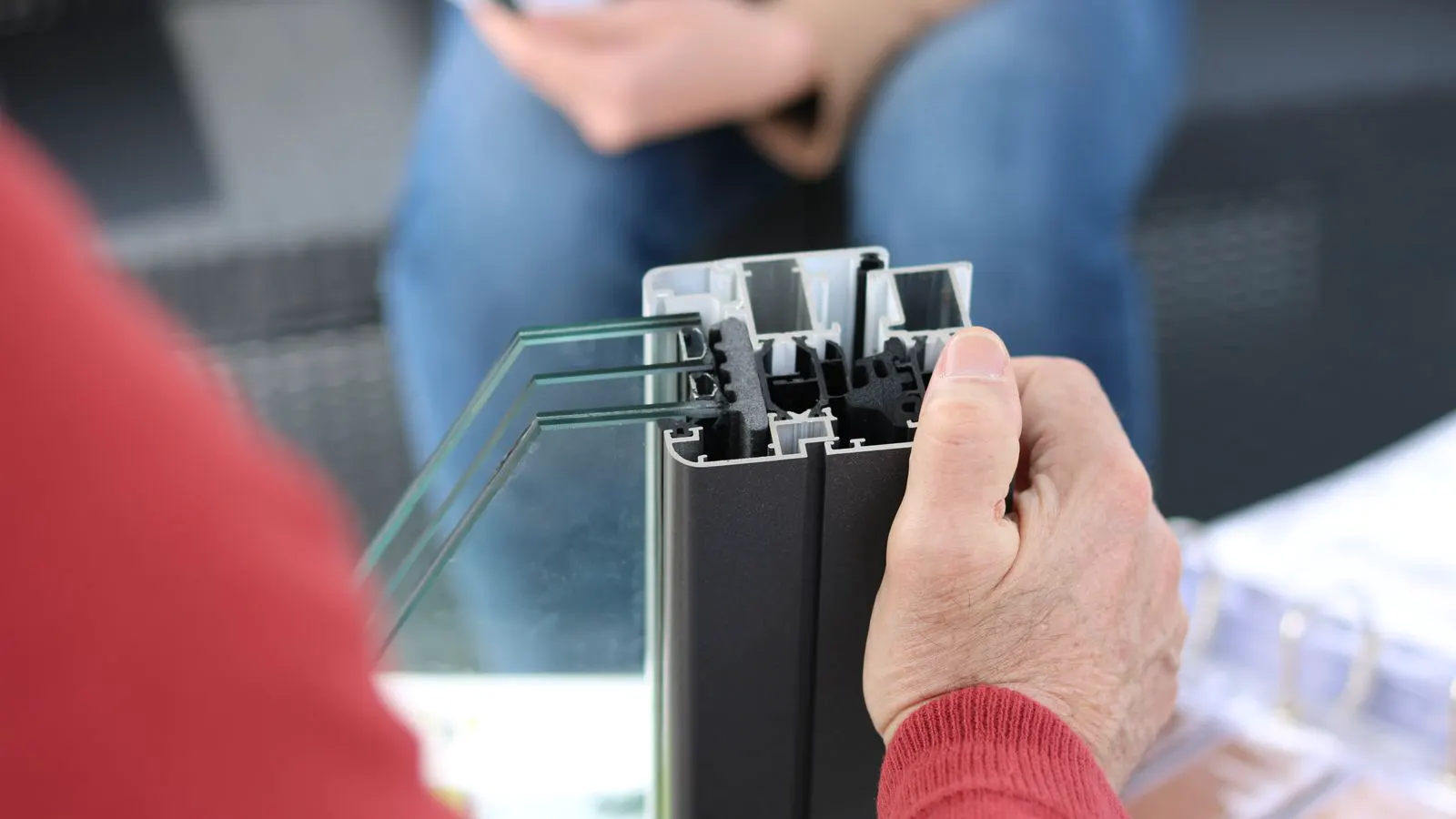
uPVC is also a thermal insulator. Modern profiles use multi-chambered designs and thermal breaks to limit heat flow. The material is less conductive than aluminum but more conductive than wood. The difference is small in most residential applications. The glazing unit often dictates the energy rating more than the frame material. Engineers should focus on the U-value of the complete assembly rather than the frame alone.
When should you specify uPVC windows?
Choose uPVC for projects where low maintenance is a priority. This includes schools, hospitals, care homes, and commercial offices. These buildings need durable assets that perform reliably with minimal intervention. uPVC is also suitable for coastal environments where salt air can corrode metal or damage untreated wood. The material does not react to these elements.
uPVC is a strong choice for rental properties. Landlords prefer materials that do not require frequent cosmetic updates. The consistent white or cream finish matches standard interior design schemes. It is also suitable for ground-floor windows in areas with high moisture levels. The material resists rot and insect damage.
When should you specify wood windows?
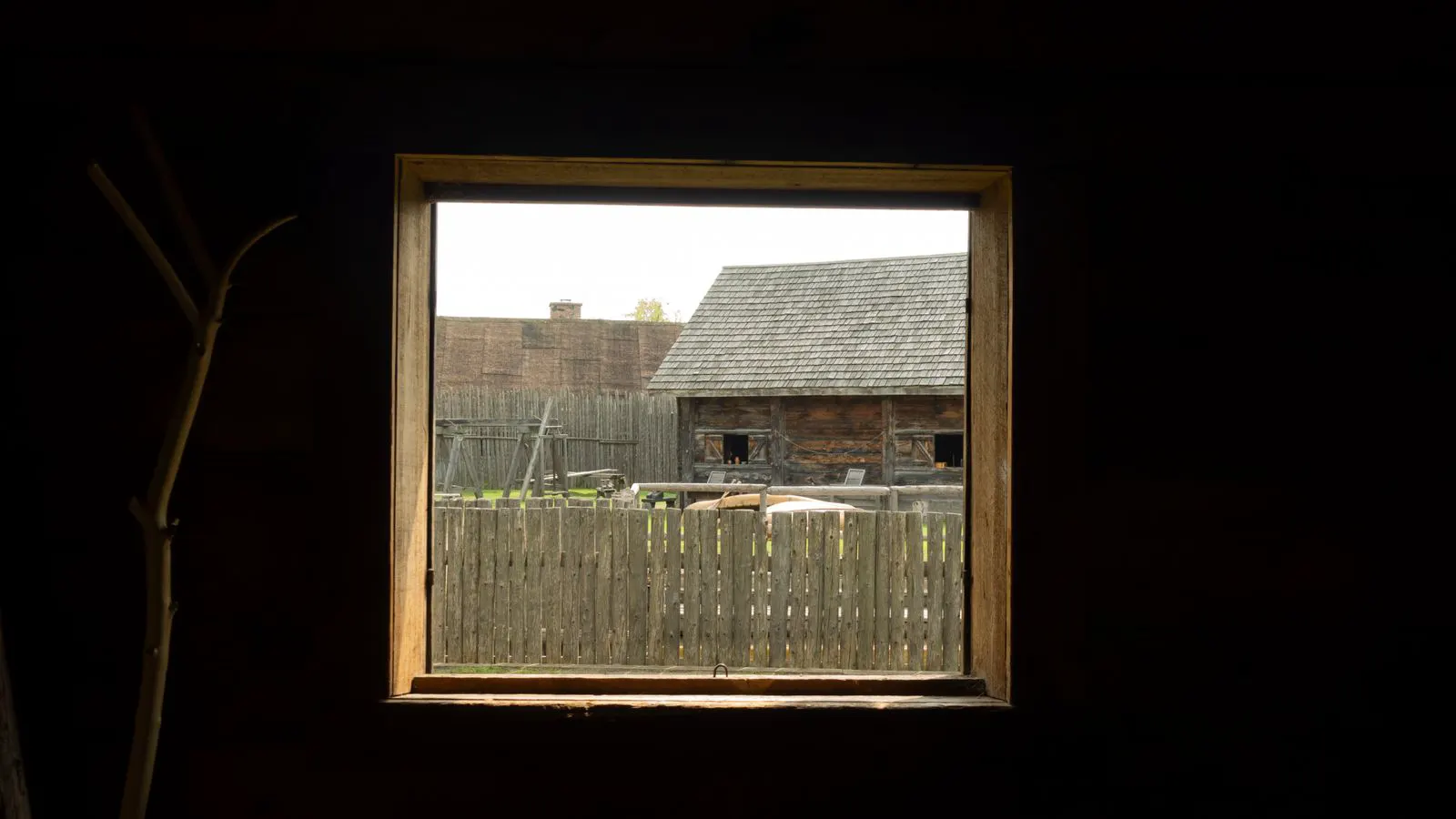
Wood is the preferred choice for high-value residential projects and heritage buildings. The material offers a warm, tactile quality that plastic cannot match. It allows for complex profiles, mouldings, and finishes. The aesthetic value is a key driver for buyers in premium markets.
Wood is also suitable for interior-facing applications where maintenance can be managed. In dry climates, wood windows can last for decades with minimal intervention. However, exterior wood requires a robust maintenance plan. The building owner must accept the cost of regular repainting or sealing. This is not a “fit and forget” solution.
How do environmental factors affect the decision?
The local climate is a critical factor. In humid, tropical regions, uPVC is generally more stable. Wood requires advanced sealing and treatment to prevent swelling and decay. In dry, temperate climates, wood performs well with standard maintenance. The building’s orientation and exposure to direct sunlight also matter. UV radiation can degrade uPVC if the formulation is poor, but quality materials include stabilizers to prevent this.
Local regulations and building codes may influence the choice. Some areas have strict fire safety requirements. Both materials can meet these standards if specified correctly. Engineers must verify the fire rating of the frame and the glazing. This is a technical check that must be completed during the design phase.
What are the common installation errors?
Installation is the weak point in any window system. Poor installation can negate the benefits of the material. For uPVC, incorrect subframe sizing can lead to gaps at the interface. These gaps allow air and moisture ingress. For wood, improper sealing around the sash can trap moisture inside the timber. This leads to rot from the inside out.
Engineers must review the installation drawings carefully. The subframe must be level and plumb. The glazing beads must be seated correctly. The weather stripping must be undamaged. These checks are standard but often overlooked. A detailed installation guide should be provided to the contractor. This reduces the risk of early failure.
How does the material affect energy efficiency?
The frame material contributes to the energy efficiency of the window. Wood and uPVC are both low-conductivity materials. The difference is negligible for most building types. The glazing unit is the primary driver of energy performance. Double or triple glazing with gas fills and low-emissivity coatings reduces heat loss.
The frame profile depth also matters. Deeper profiles allow for more insulation and better thermal breaks. uPVC profiles can be manufactured with complex chamber geometries. Wood profiles are limited by the grain structure and the need for structural integrity. Engineers should select the glazing unit first, then choose the frame material to match the aesthetic and maintenance requirements.
What are the aesthetic considerations?
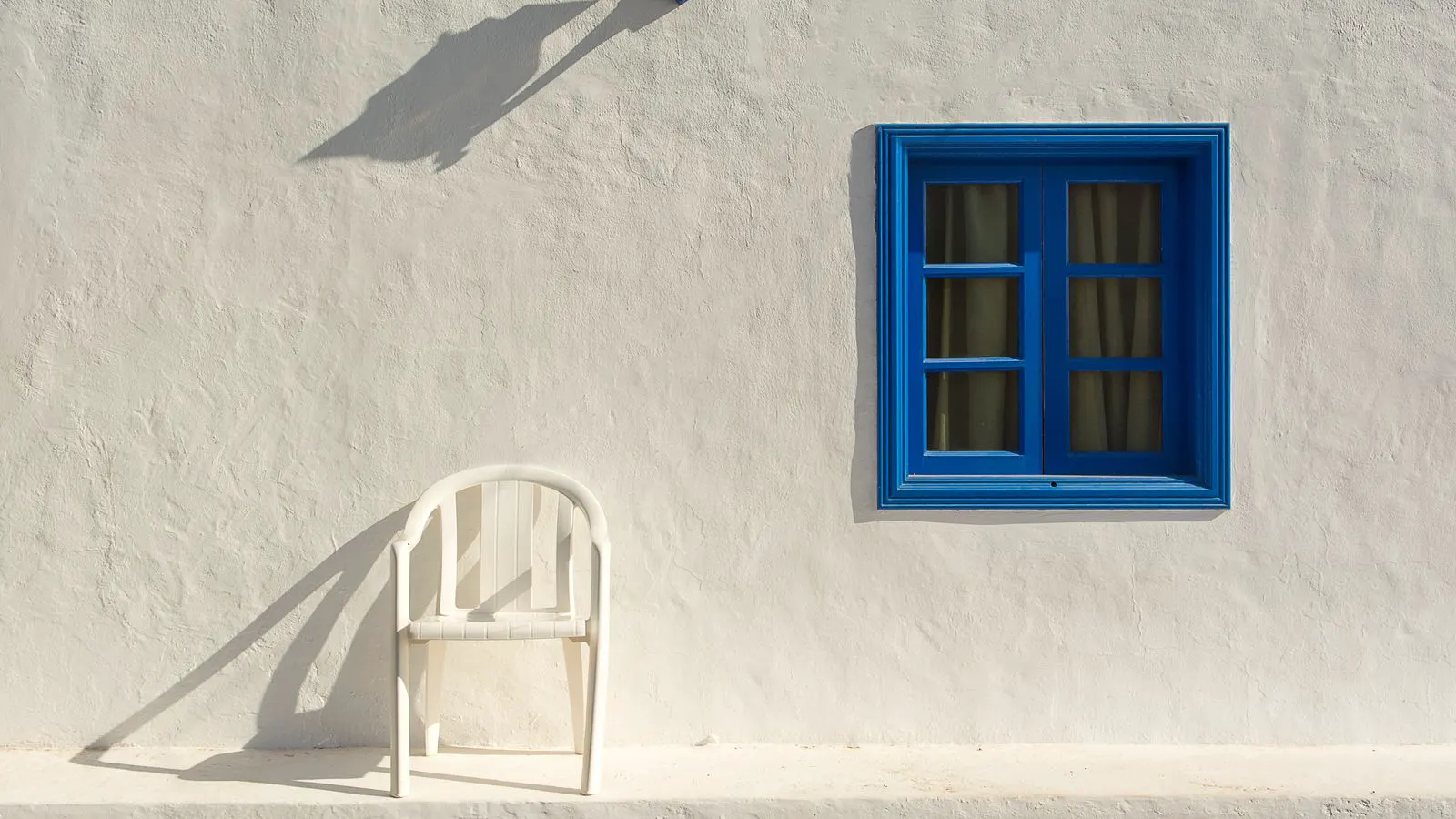
uPVC is available in a limited range of colors. White, cream, and grey are common. Recent developments allow for textured finishes that mimic wood grain. These finishes are durable but may not appeal to all buyers. Wood offers an unlimited range of colors and textures. It can be stained, painted, or left natural.
The aesthetic choice often drives the decision in residential projects. Homeowners value the look and feel of wood. In commercial projects, the aesthetic is less important. Durability and cost dominate. Engineers should present both options to the client with clear visual samples. This helps the client understand the trade-offs.
What are the recycling and disposal options?
uPVC is a plastic material. It can be recycled, but the process is energy-intensive. Many manufacturers offer take-back schemes for end-of-life frames. Wood is a renewable resource. It can be recycled, composted, or used for energy generation. The carbon footprint of wood is generally lower than uPVC.
The environmental impact depends on the manufacturing process and the transport distance. Both materials have global supply chains. Engineers should consider the source of the material. Local suppliers reduce transport emissions. The recycling potential should be included in the lifecycle assessment. This helps the project meet sustainability goals.
How do you ensure long-term reliability?
Reliability is built during the design and procurement phases. Select reputable manufacturers with a track record of quality. Review the warranty terms. A long warranty is a sign of confidence in the material. Inspect the samples before production. Check the color, texture, and finish. Review the technical data sheets for thermal and acoustic performance.
During installation, follow the manufacturer’s instructions. Use the correct fasteners and sealants. Avoid over-tightening. These small details make a big difference. A well-installed uPVC window will perform well for decades. A poorly installed wood window will fail quickly. The material is only as good as the installation.
Frequently asked questions
Which material lasts longer without maintenance?
uPVC lasts longer without maintenance. It does not rot, warp, or require painting. Wood requires regular repainting or sealing to prevent decay.
Is uPVC more energy efficient than wood?
The difference is small. Both materials are good insulators. The glazing unit has a bigger impact on energy efficiency than the frame material.
Can uPVC be painted?
No. uPVC is a plastic material that does not accept paint well. It is manufactured in specific colors. Wood can be painted or stained.
Which material is better for coastal areas?
uPVC is better for coastal areas. It resists salt air and moisture. Wood can corrode or rot in these environments.
How do I choose between the two?
Choose uPVC for low-maintenance commercial projects. Choose wood for high-value residential projects where aesthetics are a priority.