Thermal break aluminum windows cost and lead times vary based on profile thickness, glass unit specifications, and finish requirements. Engineers must define performance targets and factory capabilities early. This guide breaks down cost drivers and delivery schedules for accurate project planning.
- Profile thickness and extrusion volume are the primary drivers of material cost in thermal break windows.
- Lead times depend heavily on glass unit production and factory capacity, often exceeding frame fabrication time.
- Clear RFQ specifications reduce quote variance and prevent costly value engineering changes later.
- Scheduling factory capacity confirmation before site work begins prevents project delays.
What Drives the Cost of Thermal Break Aluminum Windows?
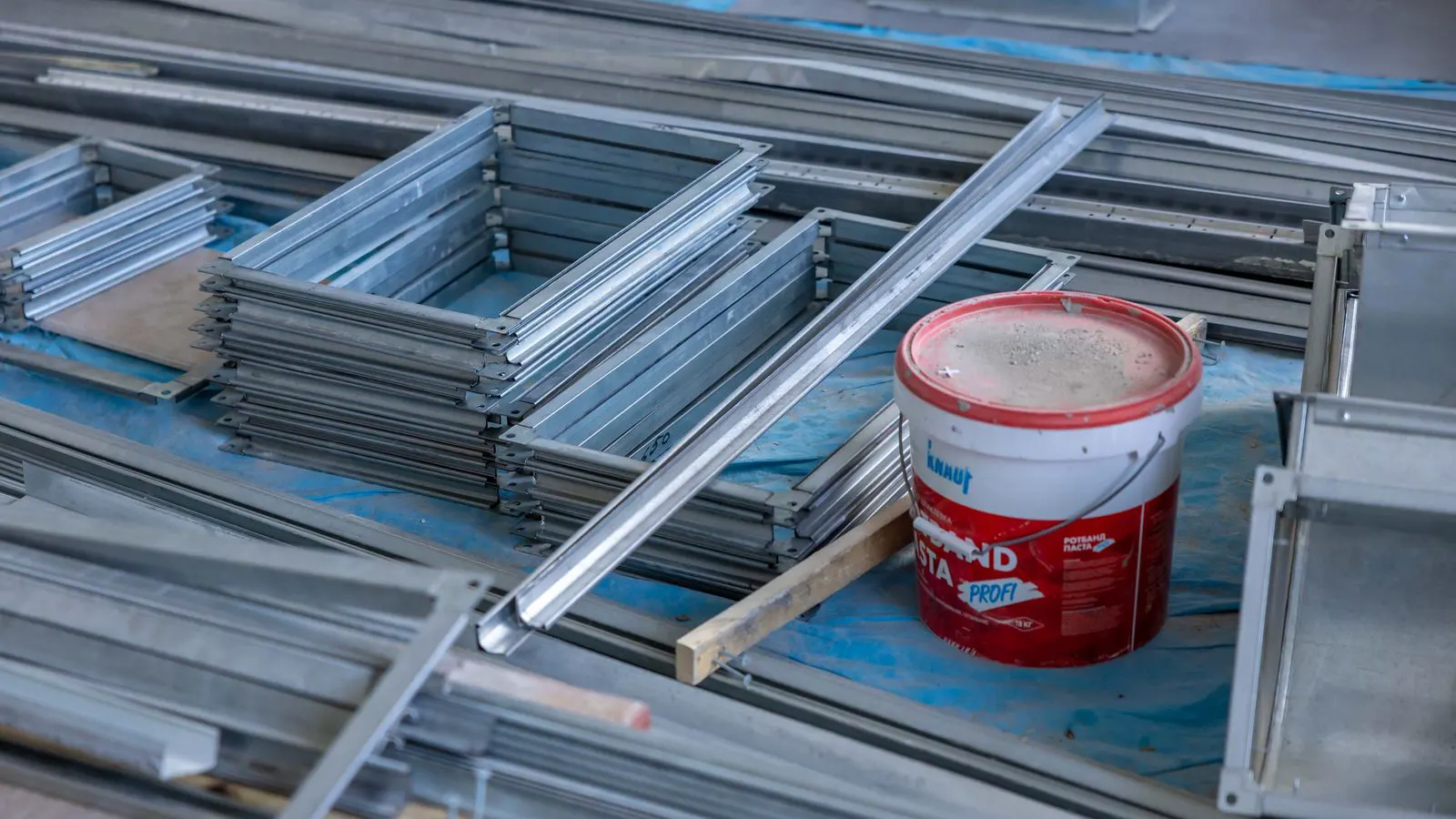
The price of thermal break aluminum windows comes from three main sources: extruded aluminum, glass units, and the thermal break system. Engineers must look past the base per-square-foot price to understand where money is being spent. The aluminum extrusion process consumes energy and material. Thicker profiles hold more metal. A window with a 10 mm wall thickness costs more than one with a 7 mm wall thickness, even if the glass is identical. The extrusion die must be machined to hold the precise geometry of a thicker wall, and the cooling cycle after the die is longer. This increases the energy cost per meter of profile. If a project requires high stiffness for a large sash, the engineer selects a thicker wall. The cost rises directly with the mass of the metal.
The thermal break itself adds cost. It is usually a polymer or composite insert that separates the inner and outer aluminum skins. The length of the break and the number of breaks per profile affect the total price. More breaks improve thermal performance but increase material usage. The injection molding process for the plastic inserts takes time. If the break is longer, the mold is larger, and the cooling time extends. A standard break might be 15 mm wide. A high-performance break can reach 25 mm or more. The difference in material volume is small, but the difference in processing time and tooling cost is significant.
Glass units represent a large portion of the final cost. Double glazing with a low-emissivity coating costs more than single glazing. Triple glazing costs more still. The gas fill, such as argon, and the spacer system also affect the price. A 6 mm argon-filled glass unit costs more than a 4 mm air-filled unit. The cost increase comes from two directions. The argon gas itself is a commodity with a low unit price, but the sealing process for triple glazing requires more labor and more space for the spacers. The low-emissivity coating is applied in a vacuum chamber. The coating is fragile. Any damage during handling or installation requires replacement of the whole unit. This risk adds a premium to the price.
Finish and coating are another variable. An anodized finish is standard and cost-effective. Powder coating or high-performance powder coatings add to the price. The color complexity matters. Black or dark colors require more pigment and often longer curing times. Dark colors absorb more heat in the oven. The curing cycle must be longer to ensure the coating cures fully without blistering. This extends the time the profile sits in the oven. It occupies space in the factory. The cost of the coating material is higher for dark pigments because they are less common in the standard stock.
How Do Thermal Performance Requirements Affect Pricing?
Thermal performance is not a single metric. Engineers must specify the U-value or thermal transmittance for the assembly. A lower U-value means less heat loss. To achieve a lower U-value, the window manufacturer must use better insulation methods. The U-value is a system property. It depends on the frame, the glass, and the interface between them. You cannot optimize one part without checking the others.
A standard thermal break window might have a U-value around 1.1 to 1.4 W/m2K. High-performance windows can go lower. To get lower numbers, the manufacturer increases the width of the thermal break or uses a different material. These changes increase the profile width. Wider profiles use more aluminum. They also require more complex machining. The profile width determines the size of the die. A wider die requires more pressure to extrude the aluminum. The cooling time increases. The profile takes up more space on the assembly line.
The glass unit is the other major factor. A low-emissivity coating on the inner pan reduces radiative heat loss. A gas fill reduces conductive heat loss through the air gap. Both cost more than clear glass with air. If the RFQ asks for a U-value of 0.8 W/m2K, the manufacturer will quote a premium. The cost difference between a standard unit and a high-performance unit can be significant. The manufacturer must calculate the exact geometry of the glass unit to meet the target. They might need to use a triple unit with a specific spacer width and a specific coating on both inner and outer panes. This combination is expensive to produce.
How to Write a Clear RFQ for Better Quotes
A vague request for quotes leads to vague answers. The manufacturer will assume standard configurations. This often results in a quote that is too high or too low. To compare quotes fairly, the RFQ must be specific. If you say “standard double glazing,” one manufacturer might interpret that as 4/1/4 air-filled units, while another might assume 4/12/4 argon-filled units with a low-emissivity coating. The price difference is large.
Include the exact profile type. Name the series or provide a cross-section drawing. Specify the wall thickness. State the number of thermal breaks. Describe the glass unit in detail. List the glass thickness, coating type, gas fill, and spacer width. If the project requires a specific performance class, state the U-value and the air leakage class. The air leakage class affects the gasket profile and the sealant. A tighter seal requires more precise manufacturing.
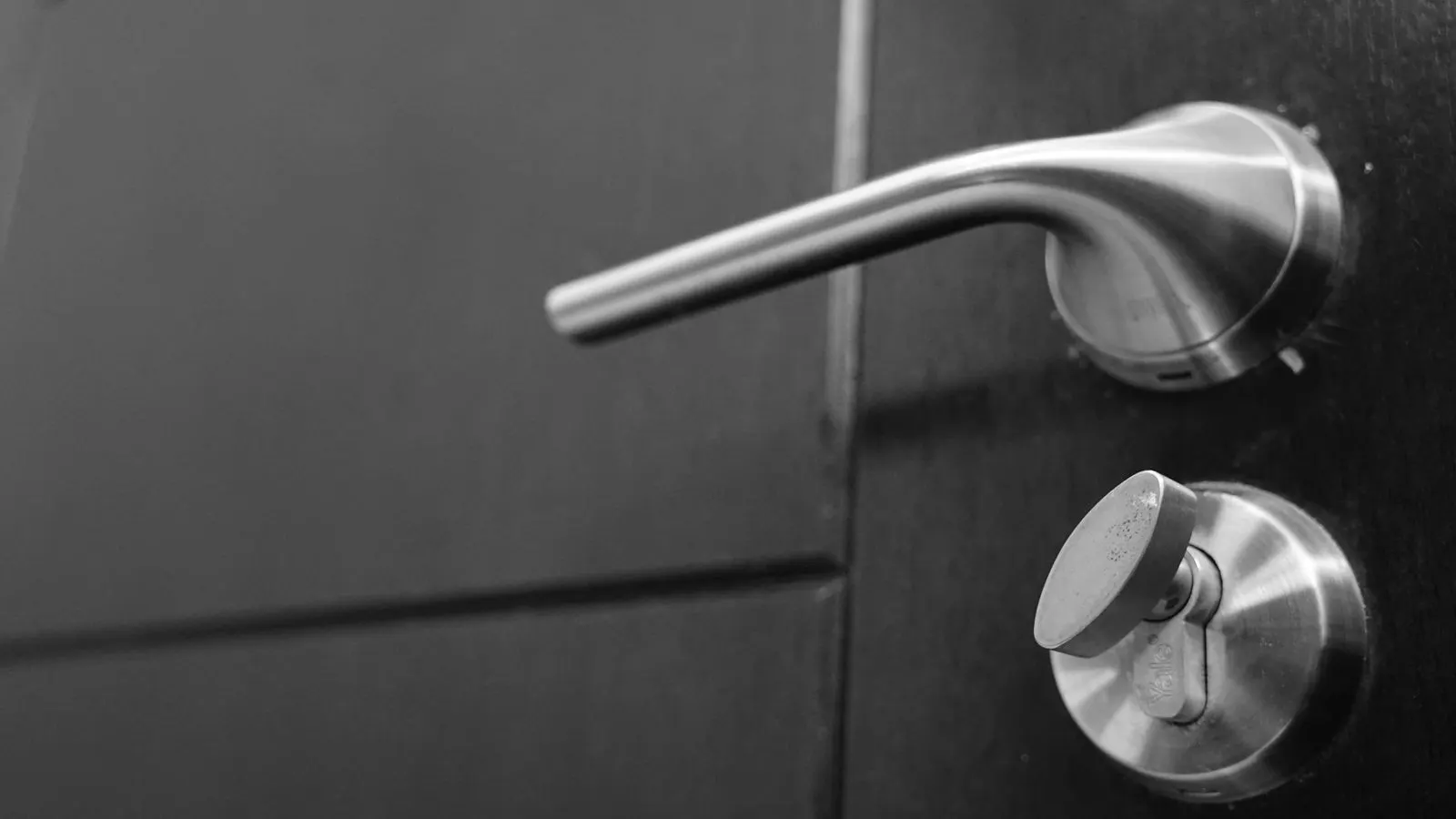
Define the finish. State the color and the coating standard. Specify the hardware. Hinges, handles, and locks add cost. If the project requires a specific opening, include the dimensions and tolerance. A standard hinge supports a sash up to a certain weight. If the sash is heavy, you need a reinforced hinge. The cost of the hinge is small compared to the frame, but it is critical for operation. If the hinge is undersized, the window will sag and fail to close properly.
State the quantity. Pricing changes with volume. A 100-unit order has a different cost structure than a 10,000-unit order. The fixed costs of tooling and setup are spread over more units. Include the delivery location. Shipping costs vary by distance and weight. Aluminum is light, but the glass is fragile. The packaging for shipping must protect the glass. The cost of the packaging is often included in the shipping fee.
How to Compare Quotes Fairly
Manufacturers quote differently. Some include shipping. Some exclude it. Some quote the frame only. Some include the glass unit. To compare fairly, normalize the data. Do not look at the total price line. Look at the components. If one quote includes the glass and the other does not, add the glass cost to the second quote to make them comparable.
Create a spreadsheet. List each quote in a row. Create columns for frame cost, glass unit cost, finish cost, hardware cost, and shipping cost. If a quote is a single lump sum, ask the manufacturer to break it down. Do not guess. Ask for a detailed cost schedule. If they refuse to break it down, treat that as a red flag. It means they are not confident in their pricing or they are trying to hide the margin structure.
Check the specifications. One quote might include a standard handle. Another might require a premium handle. One might include a standard hinge. Another might require a reinforced hinge for a heavy sash. Look for exclusions. The quote might say “frame and glass” but not mention the gaskets. The gaskets are small parts, but they are critical for the air leakage performance. If they are excluded, the price is misleading.
Compare the lead times. A cheaper quote with a long lead time may not be worth it. A slightly more expensive quote with a short lead time may save money in schedule impacts. If the windows are late, the site crew waits. Idle labor costs money. The cost of a delay can exceed the cost difference of the windows. Factor in the schedule risk when comparing quotes.
What Factors Affect Lead Times?
Lead times are rarely controlled by the frame manufacturer alone. The glass unit is usually the bottleneck. Glass production takes time. The glass must be cut, cleaned, and sealed. The coating process adds time. The gas fill adds time. The glass factory operates in batches. They coat a batch of glass, then they assemble the units. If the batch size does not match the project quantity, there is waiting time.
Factory capacity is another factor. If a factory is at full capacity, new orders wait in the queue. This can add weeks to the lead time. During peak seasons, lead times stretch longer. The peak season depends on the climate. In cold regions, the winter is the peak. In hot regions, the summer is the peak. The factory must plan its production slots in advance.
Logistics add time. Shipping from the factory to the site takes days or weeks. If the glass is broken in transit, a replacement unit must be made. This creates a delay. The replacement unit must go through the same coating and sealing process. It cannot be rushed. The damage often happens during loading or unloading. The packaging must be inspected carefully. If the packaging is damaged, the glass is at risk.
How to Plan the Schedule
Start the procurement process early. The RFQ should go out at least two to three months before the installation date. This allows time for approval, revisions, and production. If the project has a tight deadline, start even earlier. You need time for the manufacturer to confirm the production slot.
Confirm the factory capacity. Ask the manufacturer when their production slot is. Do not assume the quote date is the start date. Get a written confirmation. The production slot is the date the materials go into the production line. If the slot is full, the order moves to the next slot. The next slot might be weeks away.
Coordinate with the site. The windows must be installed when the openings are ready. If the building is not ready, the windows sit in storage. This is not ideal. Glass units are sensitive to temperature and humidity. If they are stored in a hot or damp environment, the seals can degrade. The condensation inside the unit can cause mold. The warranty may be void if the unit is stored in improper conditions.
Track the order. Ask for weekly updates. If a delay occurs, identify the cause immediately. Is it the glass? The aluminum? The logistics? Knowing the cause helps you manage the schedule. If the glass is late, you can ask for partial delivery. You can install the frames first and put the glass in later. This is possible if the design allows it.
Cost Drivers Table
| Cost Driver | Impact on Price | Impact on Lead Time |
|---|---|---|
| Profile Thickness | Higher thickness increases material cost | Minor impact, usually standard |
| Thermal Break Length | More breaks increase cost and machining time | Minor impact, adds processing time |
| Glass Unit Config | Coatings and gas fills increase cost significantly | Major impact, glass production is slow |
| Finish Type | Powder coating adds cost and curing time | Moderate impact, depends on color |
| Hardware | Premium hardware increases cost | Minor impact, standard items |
Common Mistakes in Procurement
Engineers often underestimate the glass unit cost. They focus on the aluminum frame and forget that the glass is a major expense. This leads to budget surprises. The frame is the visible part, but the glass is the expensive part. If the glass unit is upgraded to triple glazing with argon, the cost can double. The frame cost remains the same. The total cost increases significantly.
Another mistake is ignoring the finish. A standard anodized finish is cheap. A custom color costs more. If the architect changes the color late, the cost increases. The schedule may slip. The coating equipment must be cleaned if the color changes. The cleaning process takes time. The profile must be recoated. This adds days to the lead time. The cost of the cleaning and recoating is not always included in the change order.
Finally, engineers often do not specify the quantity correctly. If the project size changes, the pricing changes. A small change in quantity can alter the unit price. If the quantity drops below a certain threshold, the unit price goes up. The fixed costs of tooling are not spread over as many units. The manufacturer may refuse to take the order if the quantity is too low. The order must be large enough to cover the setup costs.
Final Thoughts
Thermal break aluminum windows cost and lead times are manageable with clear planning. Define the performance targets early. Write a detailed RFQ. Compare quotes on a normalized basis. Track the production slot. These steps reduce risk and improve the chance of a successful project. The goal is not the lowest price. The goal is the best value. A window that performs well and arrives on time is worth more than a window that is cheap and late. The details matter. The glass unit, the finish, and the hardware all affect the final result. Plan for them.
Frequently asked questions
What is the biggest cost driver for thermal break aluminum windows?
The glass unit is often the largest cost driver. Coatings and gas fills add significant expense. The aluminum frame cost depends on profile thickness and length.
How long do thermal break aluminum windows usually take to deliver?
Lead times vary by factory and glass configuration. Glass production is the bottleneck. Typically, expect several weeks for glass and additional weeks for frame fabrication and shipping.
Can I change the finish after the RFQ is submitted?
Yes, but it may affect cost and lead time. Powder coating colors have different curing times. Dark colors are more expensive. Confirm the change with the manufacturer immediately.
How do I reduce the cost of thermal break aluminum windows?
Reduce the profile thickness if the structural requirements allow. Use standard glass units without gas fill if performance permits. Choose standard hardware. Simplify the finish.
What should I do if the lead time is too long?
Ask the manufacturer for a production slot confirmation. Look for alternative suppliers. Check if a partial delivery is possible. Coordinate site work to match the delivery schedule.